Urban Arts Partnership: Building Creative Communities Through Street Art
9 months ago · Updated 8 months ago
- What Is an Urban Arts Partnership?
- The Evolution of Collaboration in Urban Art
- Why Urban Arts Partnerships Matter
- Key Stakeholders Involved
- Examples of Collaborative Urban Art Models
- Balancing Authenticity and Institutional Support
- Social Impact and Cultural Representation
- Challenges Facing Urban Arts Partnerships
- The Role of Documentation and Media
- Future Directions of Collaborative Urban Art
Street art does not exist in isolation. Behind many impactful murals, public installations, and cultural programs lies a collaborative framework that connects artists, organizations, local governments, and communities. This collaborative model is often described as an urban arts partnership, a structure that has become increasingly important in shaping contemporary public art.
What Is an Urban Arts Partnership?
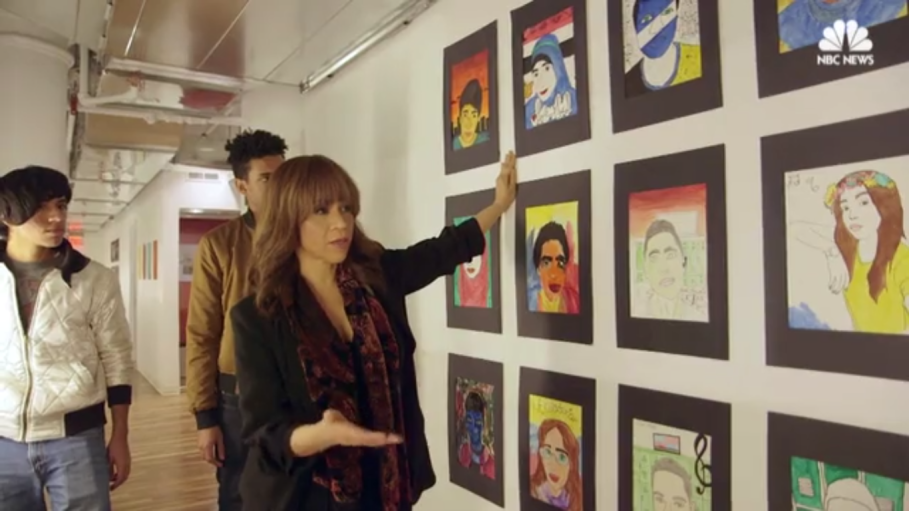
An urban arts partnership refers to a collaborative relationship between artists and organizations such as municipalities, non-profits, cultural institutions, educational bodies, or community groups. The goal is to use artistic expression as a tool for social engagement, cultural development, and urban transformation.
Unlike informal street art practices, these collaborations often involve planning, funding, legal frameworks, and community participation. This does not remove creative freedom; instead, it provides structure that allows art to exist sustainably within public environments.
Such partnerships can take many forms, including mural programs, artist residencies, educational workshops, neighborhood revitalization projects, and large-scale festivals.
The Evolution of Collaboration in Urban Art
Historically, street art emerged outside institutional support, often in opposition to authority. However, as cities began to recognize its cultural and economic value, relationships between artists and institutions slowly evolved.
In the late 1990s and early 2000s, cities facing post-industrial decline turned to creative initiatives as tools for regeneration. Public art programs offered artists legal walls while revitalizing neglected areas.
Over time, these initiatives matured into structured collaborations. Artists gained access to resources, while institutions benefited from authentic cultural expression. The result was a new model of cooperation that balanced independence with support.
Why Urban Arts Partnerships Matter
Community Engagement
One of the most significant impacts of collaborative art programs is their ability to involve local communities. Residents often participate in workshops, consultations, or co-creation processes, fostering a sense of ownership over public space.
Legitimization of Street Art
Partnerships help legitimize urban art as a recognized cultural practice. This recognition opens doors to funding, exhibitions, and long-term preservation efforts.
Economic and Cultural Revitalization
Well-designed public art initiatives can attract visitors, support local businesses, and strengthen neighborhood identity without relying solely on commercial development.
Artist Sustainability
Artists benefit from fair compensation, legal protection, and access to materials, allowing them to focus on creative quality rather than survival.
Key Stakeholders Involved
- Independent street and mural artists
- Local governments and city councils
- Non-profit arts organizations
- Educational institutions
- Community associations
- Private sponsors and foundations
Each stakeholder brings unique resources and perspectives. Successful collaboration depends on transparency, mutual respect, and shared objectives.
Examples of Collaborative Urban Art Models
Municipal Mural Programs
Many cities now operate mural initiatives that commission artists to create works in public spaces. These programs often include community input and aim to reflect local identity.
Non-Profit Art Organizations
Non-profits frequently act as mediators between artists and institutions. They manage funding, logistics, and outreach while preserving artistic integrity.
Educational Partnerships
Schools and universities collaborate with artists to integrate public art into learning environments, promoting creative education and civic engagement.
Organizations such as the National Endowment for the Art provide frameworks and research supporting cultural partnerships worldwide.
Balancing Authenticity and Institutional Support
One of the most debated aspects of structured collaborations is authenticity. Critics argue that institutional involvement can dilute the raw, rebellious spirit of street art.
However, many artists view partnerships as opportunities rather than compromises. When artists maintain creative control and institutions respect artistic voice, collaboration can amplify impact without sacrificing integrity.
Clear agreements, open dialogue, and ethical guidelines are essential to maintaining this balance.
Collaborative urban art often addresses social issues such as inequality, migration, mental health, and environmental awareness. By working with communities, artists ensure that these narratives are rooted in lived experience rather than imposed perspectives.
Representation matters. Inclusive partnerships provide platforms for underrepresented voices, ensuring public spaces reflect diverse identities and histories.
Research institutions and cultural journals increasingly study these impacts, reinforcing the academic legitimacy of urban art practices.
Challenges Facing Urban Arts Partnerships
- Risk of over-commercialization
- Gentrification concerns
- Unequal power dynamics
- Short-term funding models
Addressing these challenges requires long-term planning and ethical commitment. Successful partnerships prioritize community benefit over branding or tourism alone.
The Role of Documentation and Media
Because public art can be temporary, documentation plays a vital role in preservation. Photography, video, and digital archives ensure that projects remain accessible beyond their physical lifespan.
Future Directions of Collaborative Urban Art
As cities face climate challenges, social transformation, and technological change, collaborative art models will continue to evolve.
Sustainable materials, digital integration, and participatory design are shaping the next generation of public art initiatives. Partnerships will play a crucial role in ensuring that creativity remains accessible and meaningful.
The future of urban art lies not only in individual expression but in collective vision.

An urban arts partnership represents a powerful framework for shaping public space through creativity, collaboration, and shared responsibility. By connecting artists with communities and institutions, these collaborations expand the reach and relevance of street art.
When executed thoughtfully, partnerships preserve authenticity while enabling long-term cultural impact. They demonstrate that urban art can be both independent and supported, spontaneous and strategic.
In an increasingly complex urban world, collaboration is not a limitation — it is a catalyst for meaningful cultural expression.
Leave a Reply