New Urban Arts Providence: Creativity, Community, and Youth Empowerment
9 months ago
- The Origins of a Community-Based Art Movement
- A Different Approach to Art Education
- Urban Art as a Tool for Empowerment
- Impact on Providence and Beyond
- Inclusivity and Access
- Connections to the Broader Urban Art Ecosystem
- Challenges and Sustainability
- The Role of Public Space and Visibility
- Why New Urban Arts Providence Matters Today
In many cities, street art is more than visual expression — it is a tool for education, social connection, and empowerment. In Providence, Rhode Island, one organization stands as a powerful example of how urban creativity can transform lives. New Urban Arts Providence has become an internationally recognized model for youth-centered art education rooted in community, collaboration, and creative freedom.
The Origins of a Community-Based Art Movement
Founded in the late 1990s, New Urban Arts emerged in response to a lack of accessible creative spaces for young people in Providence. At the time, many teenagers interested in art, music, and street culture had limited opportunities for mentorship or resources.
The organization was built on a simple yet radical idea: provide a safe, inclusive space where youth could explore creativity without rigid hierarchies. Artists, educators, and volunteers collaborated to create an environment based on trust, experimentation, and mutual respect.
From its early days, the organization rejected traditional classroom models. Instead, it embraced informal learning, peer collaboration, and real-world creative practice.
A Different Approach to Art Education
Youth-Driven Creativity
One of the defining characteristics of this Providence-based initiative is its youth-driven structure. Participants are not treated as students in a conventional sense, but as emerging artists whose voices matter.
Young creatives choose their own projects, mediums, and themes, whether that involves drawing, painting, graphic design, street art, sculpture, or digital media.
Mentorship Over Instruction
Rather than formal teachers, the organization relies on mentors — practicing artists and designers who guide rather than dictate. This model encourages experimentation, critical thinking, and self-confidence.
Safe Space for Expression
Emotional safety is central to the organization’s philosophy. Participants are encouraged to explore personal narratives, social issues, and identity through art without fear of judgment.
Urban Art as a Tool for Empowerment
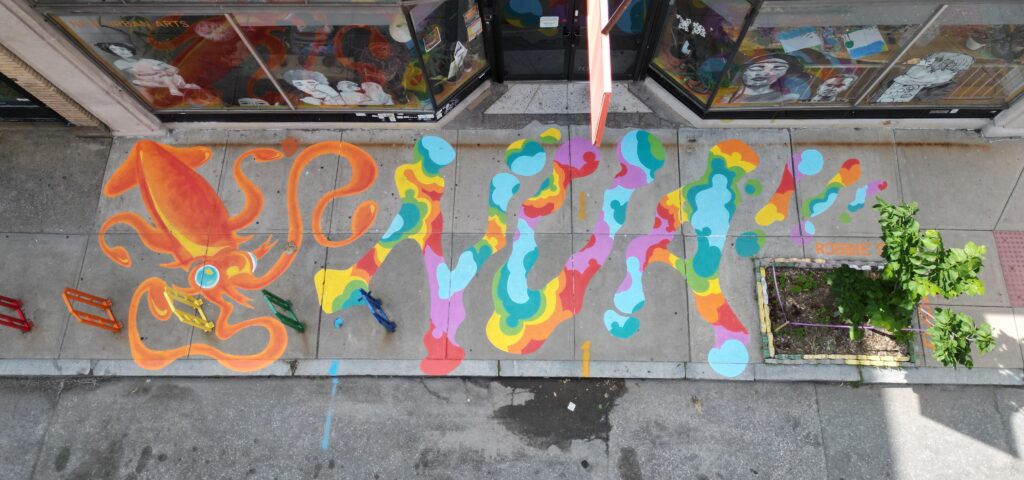
Urban art plays a significant role in the creative ecosystem fostered by the organization. Murals, illustration, zines, and public-facing projects allow young artists to see their work exist beyond studio walls.
This connection to public space helps participants understand the social power of visual expression. Art becomes a way to communicate experiences, challenge stereotypes, and engage with the broader community.
By validating street-influenced aesthetics, the program affirms cultural identities often excluded from traditional art institutions.

Impact on Providence and Beyond
Over the years, the organization has had a measurable impact on Providence’s cultural landscape. Many former participants have gone on to pursue careers in art, design, education, and community organizing.
More importantly, alumni often return as mentors, reinforcing a cycle of shared knowledge and support. This continuity strengthens both individual confidence and collective resilience.
The organization’s model has attracted attention from educators and cultural institutions worldwide, positioning Providence as a reference point for progressive art education.
Inclusivity and Access
Accessibility is a core value. Programs are typically free or low-cost, removing financial barriers that prevent many young people from accessing arts education.
The community served is intentionally diverse, welcoming participants from different cultural, economic, and social backgrounds. This diversity enriches creative dialogue and reflects the realities of urban life.
Inclusivity is not treated as a slogan but as a daily practice embedded in decision-making and program design.
Connections to the Broader Urban Art Ecosystem
The work happening in Providence aligns with global movements that view urban art as a catalyst for social change. Similar initiatives exist in cities across Europe, Latin America, and the United States.
Organizations such as the National Endowment for the Arts and educational researchers studying creative youth development often cite community-based art programs as essential cultural infrastructure.
Challenges and Sustainability
Like many non-profit arts organizations, sustainability remains an ongoing challenge. Funding, space, and long-term support require continuous effort and advocacy.
However, the strength of the Providence model lies in its adaptability. By remaining responsive to youth needs and cultural shifts, the organization continues to evolve without losing its core values.
Balancing institutional support with grassroots authenticity is an ongoing process, one navigated through transparency and community trust.
The Role of Public Space and Visibility
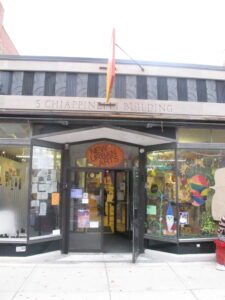
While much of the creative work happens indoors, public visibility remains important. Exhibitions, community events, and occasional public art projects allow young artists to share their voices with the city.
This visibility challenges assumptions about who gets to create culture and where art belongs.
Providence itself becomes both canvas and collaborator in the creative process.
Why New Urban Arts Providence Matters Today
In an era marked by social fragmentation and reduced arts funding, organizations like this demonstrate the transformative potential of creativity.
By centering youth, valuing street-influenced aesthetics, and prioritizing emotional safety, the program offers an alternative vision of education rooted in humanity and expression.
It proves that urban art is not only about walls and visuals — it is about people, relationships, and possibility.
New Urban Arts Providence represents a powerful fusion of urban creativity, mentorship, and community engagement. Its impact extends beyond art, shaping confidence, identity, and opportunity for countless young people.
As cities continue to search for inclusive and meaningful cultural models, Providence stands as a reminder that creativity thrives where trust, access, and freedom coexist.
In the evolving story of urban art, this organization is not just a chapter — it is a blueprint for the future.
Leave a Reply