Tips for Getting Started with Urban Art: A Complete Beginner’s Guide
11 months ago · Updated 10 months ago
- Introduction: Why Urban Art Matters
- What Is Urban Art?
-
Tips for Getting Started with Urban Art
- 1. Understand the Different Forms of Urban Art
- 2. Start with Simple Tools and Materials
- 3. Study the Work of Established Artists
- 4. Practice Sketching Before Hitting the Walls
- 5. Learn About Legal Walls and Permissions
- 6. Develop Your Own Artistic Style
- 7. Collaborate with Other Artists
- 8. Focus on Technique and Control
- 9. Document Your Work
- 10. Stay Consistent and Keep Experimenting
- Essential Gear for Urban Artists
- Common Mistakes to Avoid
- Understanding Legal Boundaries
- Finding Inspiration for Your Urban Art
- FAQs About Tips for Getting Started with Urban Art
Introduction: Why Urban Art Matters
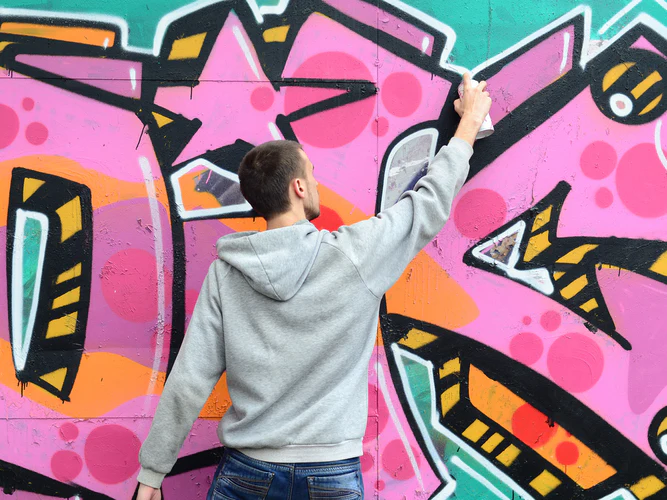
Urban art, also known as street art, has evolved from rebellious graffiti culture to a celebrated creative movement that shapes neighborhoods, expresses identity, and engages communities. Artists use city walls as canvases to tell powerful stories, challenge social norms, and beautify everyday spaces.
If you're interested in beginning your journey in this vibrant artistic form, these tips for getting started with urban art will help you understand the basics, build confidence, and safely explore your creative potential.
What Is Urban Art?
Urban art includes a wide range of artistic expressions created in public spaces. While graffiti is one of its foundations, today urban art includes murals, stencils, paste-ups, wheatpasting, street installations, 3D interventions, stickers, and digital augmented-reality creations.
Urban art is:
- Accessible, because it is displayed in public areas.
- Expressive, giving artists freedom and a voice.
- Transformative, changing the identity of neighborhoods.
- Cultural, connected with modern movements and communities.
Understanding what urban art represents will give you a foundation before applying the core tips for getting started with urban art.
Tips for Getting Started with Urban Art
1. Understand the Different Forms of Urban Art
Urban art is diverse. Before choosing your path, explore the various styles:
- Muralism – large-scale painted artworks.
- Spray paint graffiti – tags, throw-ups, block letters, wildstyles.
- Stencil art – cutting shapes on cardboard or acetate for sharp, repeatable designs.
- Paste-ups – printed or hand-drawn posters glued to walls.
- Sticker art – fast, small-format street expression.
- Urban installations – creative objects placed strategically in public spaces.
Understanding the landscape helps you choose the format that best matches your skills and creative goals.
2. Start with Simple Tools and Materials
Before you invest in expensive gear, start with basics:
- Sketchbook and pencils
- Fine liners
- Basic spray paint cans (matte colors recommended)
- N95 mask for protection
- Cardboard for practicing spray can control
- Stencils (self-made or purchased)
Urban art is technique-driven. Starting simple helps you develop confidence without overwhelming your budget.
3. Study the Work of Established Artists
Learning from established street artists accelerates your growth. Study artists such as:
- Banksy
- Shepard Fairey (OBEY)
- Keith Haring
- Jean-Michel Basquiat
- RETNA
- Os Gemeos

Observe their composition, color use, political messages, and visual language. This research step is essential when applying the tips for getting started with urban art.
4. Practice Sketching Before Hitting the Walls
Sketching helps you develop ideas without pressure. Use your sketchbook to explore:
- Lettering styles
- Characters or figures
- Patterns and shapes
- Color combinations
- Layout for large compositions
Many great murals begin as simple notebook doodles. Refine your concept first; paint second.
5. Learn About Legal Walls and Permissions
Street art exists in a space between legality and cultural expression. To practice safely:
- Look for legal walls or “free walls” in your city.
- Ask permission from property owners for murals.
- Check local regulations (some cities have dedicated urban art programs).
- Join community art groups for safer opportunities.
Creating legally allows you to share your work publicly without risk.
6. Develop Your Own Artistic Style
Every great street artist has a recognizable style. To develop yours:
- Experiment with color theory.
- Practice different spray techniques.
- Explore cultural or personal themes.
- Mix mediums such as stencils and painting.
Your style evolves with time. Consistency and experimentation are key.
7. Collaborate with Other Artists
Urban art thrives on collaboration. Working with others helps you:
- Learn new techniques.
- Expand your community.
- Participate in collective murals.
- Engage with local culture.
- Build confidence faster.
8. Focus on Technique and Control
Spray paint is harder than it looks. Practice techniques such as:
- Fade gradients
- Crisp line edges
- Dot patterns
- Layering
- Shadow effects
9. Document Your Work
Street art is temporary. Photograph your pieces at:
- Different angles
- Different lighting conditions
- Close-ups of details
Post your work on social media or create an online portfolio. Platforms like Instagram, Behance, and StreetArtView are ideal for exposure.
10. Stay Consistent and Keep Experimenting
Urban art evolves quickly. The more you practice, the better you get. Stay open to:
- New trends
- New materials
- Community projects
- Workshops and exhibitions
Consistency is the foundation of artistic mastery.
Essential Gear for Urban Artists
Every urban artist should have a basic toolkit. Recommended items include:
- Spray paint caps with different spray widths
- Protective mask
- Gloves
- Drop cloth
- Pencil and markers
- Portable lighting for night work
Common Mistakes to Avoid
Beginners often fall into certain traps. Avoid:
- Using too many colors too soon
- Skipping sketching
- Painting illegally without understanding risks
- Using low-quality spray paint
- Copying other artists instead of developing original ideas
Understanding Legal Boundaries
Urban art intersects with public property, so knowing the legal context is important:
- Some cities have designated legal graffiti areas.
- Murals typically require formal permission.
- Fines for illegal graffiti can be significant.
- Many governments now support street art through cultural programs.
Finding Inspiration for Your Urban Art
Urban artists gather inspiration from many sources:
- Music and subcultures
- Social movements
- Cartoons, animation, and pop art
- Local architecture
- Nature and city landscapes
FAQs About Tips for Getting Started with Urban Art
1. What are the best tips for getting started with urban art?
Start with simple tools, learn the basics, practice on cardboard, and study established artists.
2. Do I need to know how to draw?
Drawing helps, but many urban art forms rely on stencils, shapes, and patterns.
3. Is street art legal?
It depends on the location. Always use legal walls or obtain property owner permission.
4. What materials do beginners need?
Start with spray paint, markers, a sketchbook, gloves, and a mask.
5. How do I develop my own style?
Experiment with different techniques, colors, and themes until something feels uniquely yours.
6. Can urban art be done digitally?
Yes. Many artists use tablets or software before creating physical murals.
7. How do I get better quickly?
Practice regularly, collaborate with others, and join local art communities.
Urban art is a powerful creative outlet that transforms cities, inspires communities, and gives artists a platform to express themselves. With these tips for getting started with urban art, you can confidently begin your journey, explore new ideas, and contribute to the evolving world of street art. Whether you're creating murals, experimenting with spray paint, or crafting stencils, the key is to stay consistent, curious, and connected with other artists.
Leave a Reply