The Technique of Paste-Ups: A Complete Guide to Wheatpaste Street Art
11 months ago · Updated 11 months ago
- Introduction: Why Paste-Ups Matter in Urban Art
- What Are Paste-Ups?
- Origins of the Paste-Up Technique
- Materials and Tools Needed for Paste-Ups
- Technique of Paste-Ups: Step-by-Step Method
- Advanced Paste-Up Techniques for Professionals
- Legal and Ethical Considerations
- How to Preserve and Protect Paste-Ups
- Famous Artists Using the Paste-Up Technique
- Practical Tips for Creating High-Quality Paste-Ups
- FAQs About the Technique of Paste-Ups
Introduction: Why Paste-Ups Matter in Urban Art
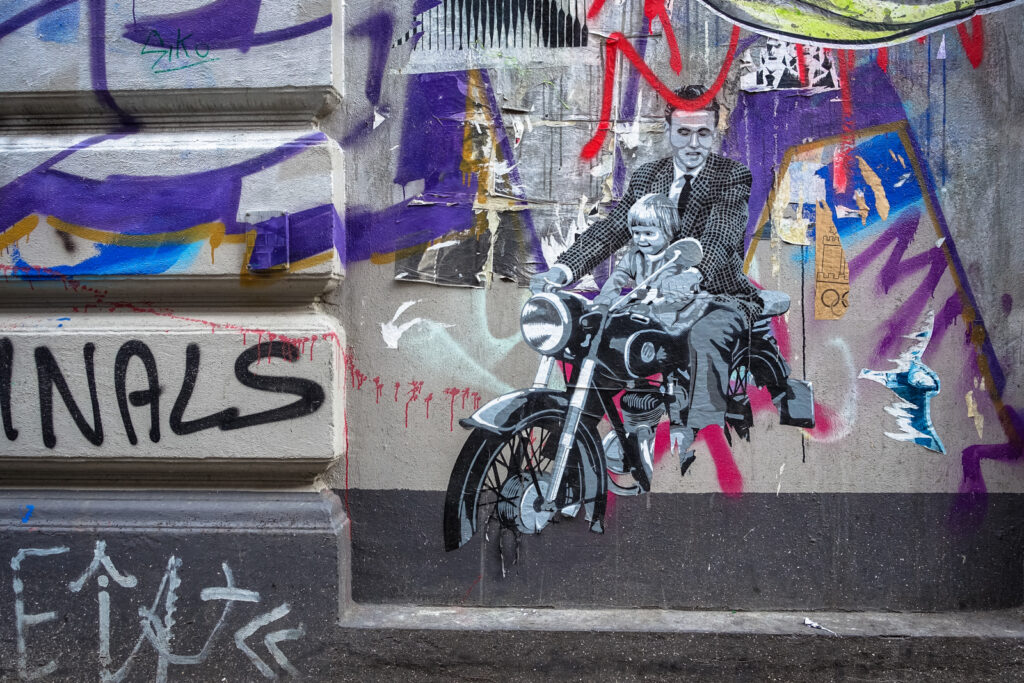
The technique of paste-ups is one of the most iconic practices within the street art world. Paste-ups—also known as wheatpastes or poster art—are fast to install, visually impactful, and accessible to artists of all levels. They offer both aesthetic freedom and political urgency, allowing creators to intervene in public spaces with printed imagery, hand-painted posters, and collaged artwork.
Paste-ups have played a crucial role in shaping urban culture, from early political flyers to contemporary interventions by well-known street artists. This guide dives deep into the origins, materials, process, best practices, and advanced techniques behind professional paste-up work.
What Are Paste-Ups?
Paste-ups are artworks printed or drawn on paper and installed in public spaces using wheatpaste, glue, or adhesive mixtures. They can be:
- Illustrations
- Typography and slogans
- Digital prints
- Photo collages
- Large-scale murals in poster form
Artists use the technique of paste-ups because it allows for high detail, rapid installation, and large-scale imagery without carrying extensive painting supplies. Paste-up art sits at the intersection of printmaking, graffiti, and poster culture.
Origins of the Paste-Up Technique
The origins of paste-ups predate contemporary street art by centuries. Poster art first emerged in the 19th century, when wheatpaste was used to glue commercial advertisements onto walls. Over time, the technique evolved from promotional messaging into a tool for political activism and artistic expression.
Early Political Movements
During revolutions and social uprisings, activists used paste-ups to spread information quickly. These posters often included slogans, manifestos, and illustrations.
The Transition to Street Art
In the late 20th century, graffiti writers and artists began using paste-ups as an alternative to spray paint. With the rise of photocopiers and digital printers, paste-ups became a preferred method for sharing bold, graphic imagery in urban environments.
Today, the technique of paste-ups is recognized as a legitimate form of urban art, widely used by established and emerging artists.

Materials and Tools Needed for Paste-Ups
Creating a high-quality paste-up starts with using the right materials. Below is a list of essential tools.
1. Paper
- Standard printing paper (cheap, easy to paste)
- Blueprint paper (durable and smooth)
- Thin rice paper or mulberry paper (professional finish)
- Larger poster rolls for mural-scale paste-ups
2. Adhesive Paste
The most common paste mixture is wheatpaste, a blend of flour and water heated until it thickens. Variations include:
- Wheatpaste with sugar (for extra stickiness)
- Wallpaper glue
- Glue-paste hybrid mixtures
3. Tools
- Wide brush or roller
- Bucket or paste container
- Spray bottle with water
- Squeegee or flat scraper
- Protective gloves
- Step ladder (for large installations)
4. Art Creation Tools
- Digital printer
- Markers and inks
- Spray paints
- Hand-drawing materials
High-quality materials ensure long-lasting paste-ups that can withstand outdoor conditions.
Technique of Paste-Ups: Step-by-Step Method
The classic technique of paste-ups involves preparing the artwork, mixing the adhesive, and installing the piece efficiently. Here's a detailed guide.
Step 1: Create the Artwork
Paste-ups can be hand-drawn, printed, or digitally designed. Artists often create multi-layered compositions that combine illustration, photography, and typography.
Step 2: Prepare the Wheatpaste
A simple recipe for wheatpaste:
- Mix 1 part flour with 4 parts water.
- Heat the mixture, stirring to avoid lumps.
- Add sugar for strength (optional).
- Let it cool before use.
Step 3: Select the Wall
Look for smooth surfaces such as concrete, metal panels, abandoned buildings, or brick walls. Avoid unstable, crumbling, or highly textured walls.
Step 4: Apply the Paste
Using a brush or roller, apply a thin layer of wheatpaste directly onto the wall. Cover an area slightly larger than the artwork.
Step 5: Position the Artwork
Align the paste-up carefully. Start from the top and work your way down, smoothing air bubbles as you go.
Step 6: Seal the Surface
Once the poster is fully installed, brush a new layer of paste over the entire surface to seal it. This prevents peeling and extends longevity.
Step 7: Finishing Touches
Use a squeegee or scraper to eliminate wrinkles and ensure strong adhesion.
This step-by-step technique is used worldwide by street artists, designers, and political activists.
Advanced Paste-Up Techniques for Professionals
Once you master the basics, the technique of paste-ups can evolve into a sophisticated art form through advanced methods:
1. Multi-Panel Murals
Large artworks are divided into smaller sheets and assembled on the wall like a puzzle. This technique allows for monumental pieces even with standard printers.
2. Mixed Media
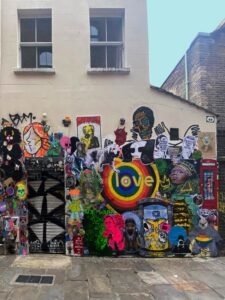
Some artists combine paste-ups with spray paint, stencils, or acrylics for hybrid murals.
3. 3D and Layered Paste-Ups
By overlapping multiple posters, artists create textured, sculptural effects.
4. Weather-Resistant Materials
Professional paste-ups use varnishes, UV coatings, or waterproof paper for durability.
5. Pre-Textured Prints
Artists print on paper treated with tea, coffee, or dyes to achieve a vintage texture.
Legal and Ethical Considerations
While paste-ups are common in urban art, they may require permission depending on the location. Many cities offer:
- Legal walls
- Artist-permitted public spaces
- Community mural programs
- Art festivals
Ethically, artists should avoid damaging private property, covering other artworks, or installing in culturally sensitive locations.
How to Preserve and Protect Paste-Ups
Paste-ups are delicate and naturally temporary. To extend lifespan, artists can:
- Use thick paper
- Apply multiple sealing layers of wheatpaste
- Spray a clear UV-resistant finish
- Avoid humid or heavily textured walls
- Install in shaded areas to reduce sun fading
Even with preservation techniques, paste-ups remain ephemeral—part of their charm.
Famous Artists Using the Paste-Up Technique
Several influential street artists rely heavily on paste-ups, including:
- Wheatpaste pioneers – early political poster movements
- Swoon – known for intimate, hand-carved portrait paste-ups
- Shepard Fairey (OBEY) – globally recognized for red-black propaganda-inspired posters
- JR – monumental photographic paste-ups on buildings
- Blu – large-scale murals combined with paste-up stop-motion
These artists expanded the creative potential of the technique of paste-ups and influenced generations of urban creators.
Practical Tips for Creating High-Quality Paste-Ups
- Choose lightweight but durable paper
- Print in high contrast for better visibility
- Apply paste evenly to avoid bubbles
- Install when weather conditions are dry
- Carry backup tools for quick fixes
- Experiment with large formats for visual impact
- Photograph the final work for your portfolio
FAQs About the Technique of Paste-Ups
1. What is the technique of paste-ups?
It is the method of installing printed or hand-drawn posters onto public walls using wheatpaste or adhesive glue.
2. What materials do I need for paste-ups?
You need paper, wheatpaste or glue, a brush, a bucket, and your artwork.
3. How long do paste-ups last?
Depending on weather and materials, paste-ups can last weeks to months.
4. Can paste-ups be waterproof?
Yes, using sealing coats, waterproof paper, or varnish.
5. Are paste-ups legal?
It depends on the location. Some areas require permission; others offer legal walls.
6. Can I mix paste-ups with other techniques?
Yes—many artists combine them with stencils, spray paint, or mixed media.
7. What kind of paper works best?
Lightweight paper like rice paper or blueprint paper adheres well and reduces wrinkling.
The technique of paste-ups remains one of the most versatile and accessible methods in street art. From political activism to contemporary muralism, paste-ups offer artists a powerful tool to communicate visually in public spaces. Whether you're a beginner experimenting with your first poster or a seasoned urban artist exploring large-scale works, paste-ups provide endless creative potential and an iconic visual impact within the urban landscape.
Leave a Reply