Immersive Installations: Why Contemporary Art Is Embracing Multisensory Experiences
10 months ago
- The Rise of Immersion in Contemporary Art
- What Makes an Installation “Immersive”?
- Why Contemporary Art Is Embracing Multisensory Experiences
- Types of Immersive Installations
- How Immersive Installations Change the Viewer’s Role
- The Psychology of Multisensory Art
- Iconic Immersive Installations Around the World
- Why Museums and Galleries Are Investing in Immersive Art
- Challenges and Criticisms
- How Artists Can Enter the World of Immersive Art
- Frequently Asked Questions
- Final Thoughts
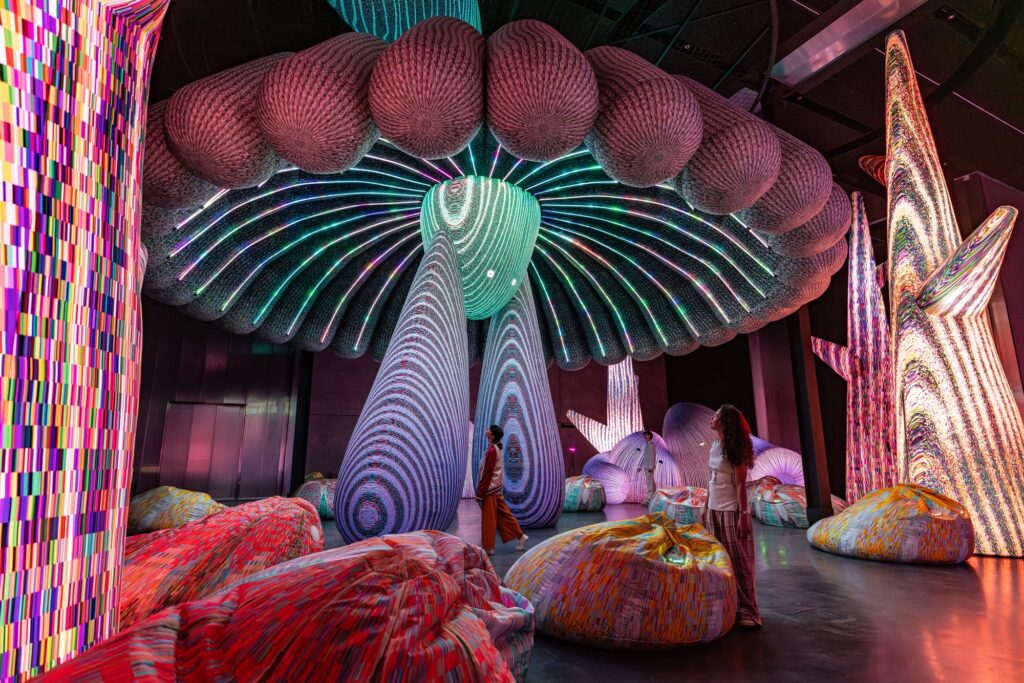
Contemporary art has undergone a profound transformation in recent decades. Traditional mediums like painting and sculpture remain central, but the rise of immersive installations has redefined what art can be and how audiences interact with it. Rather than simply observing a work from a distance, today’s viewers are encouraged to step inside the artwork, becoming part of a fully sensorial and emotional experience.
This article explores Immersive Installations: Why Contemporary Art Is Embracing Multisensory Experiences—a deep dive into the cultural, technological, and psychological forces driving this shift.
The Rise of Immersion in Contemporary Art
Immersive installations are not entirely new—artists in the 1960s and 70s experimented with environmental art, light rooms, and interactive spaces. However, the last two decades have seen a dramatic acceleration in immersive practices. Several factors have influenced this shift:
- Technological advancements such as projection mapping, VR, AR, and sound engineering
- Growing demand for experiential culture driven by social media and event-based art
- A desire for deeper emotional engagement beyond static viewing
- Interdisciplinary collaboration between artists, designers, scientists, and musicians
These forces have produced a new artistic landscape in which installations aim not only to be seen but felt, heard, navigated, and embodied.
What Makes an Installation “Immersive”?
Not all installations are immersive. The immersive category refers specifically to works that engage multiple senses and surround the viewer physically or perceptually. Key features include:
- 360º visual environments
- Soundscapes or spatial audio
- Tactile or haptic elements
- Interactive components that respond to movement or touch
- Light manipulation
- Scent or temperature variations
- Spatial navigation as part of the experience
These sensory elements combine to immerse the viewer inside the artwork, transforming them from passive observer to active participant.
Why Contemporary Art Is Embracing Multisensory Experiences
The move toward multisensory art is rooted in multiple psychological, cultural, and artistic motivations. Below are the most significant drivers behind this evolution.
1. The Search for Emotional Resonance
Immersive installations heighten emotional responses because they envelop viewers in a world the artist creates. This intensifies the psychological connection, making the experience more memorable and impactful. In an era saturated with images, emotional intensity has become a competitive edge.
2. Technology Has Expanded What Artists Can Do
New tools—projection mapping, VR, spatial audio, LED systems, and generative coding—allow artists to create environments previously impossible. Digital creativity has become a core part of contemporary practice.
Institutions like the Museum of Modern Art and the Tate Modern frequently exhibit technologically enhanced installations, demonstrating how mainstream the medium has become.
3. The Growth of Experiential Culture
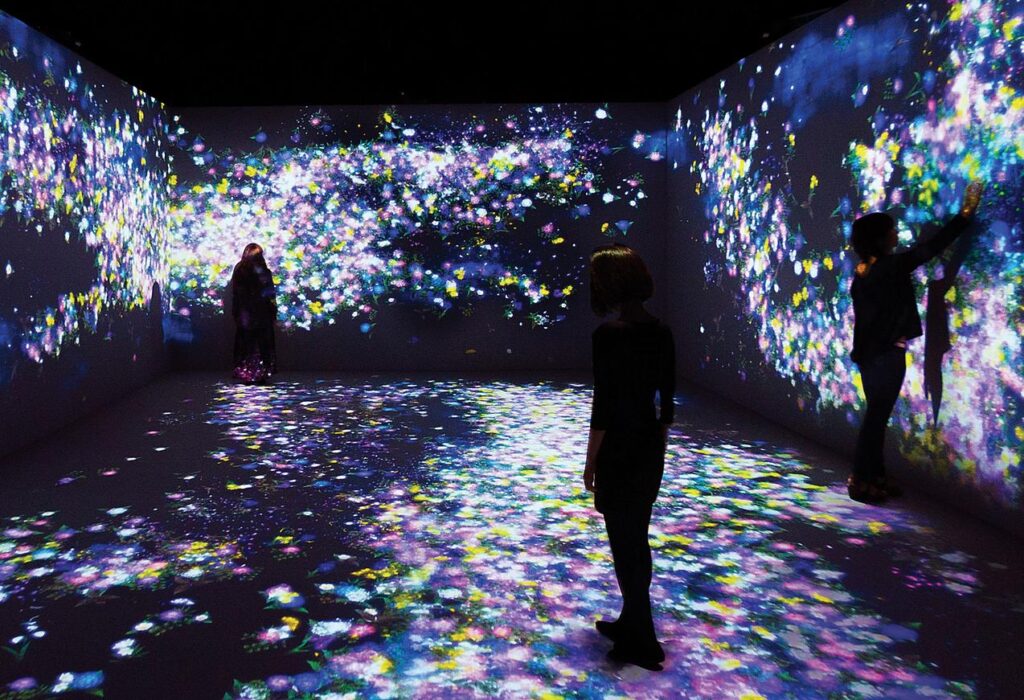
Younger audiences often prioritize experiences over objects. Art has adapted by offering multisensory environments that provide connection, novelty, and immersion. Experiences like teamLab’s digital ecosystems draw millions annually because they combine interactive play with artistic expression.
4. A Shift Toward Audience Participation
Immersive installations blur the traditional boundaries between artist and audience. The viewer’s movement, decisions, or presence shapes the artwork itself—creating a sense of co-authorship that reflects the participatory culture of the digital age.
While not the sole reason for the rise of immersive experiences, social media has played a significant role in popularizing them. Environments that are visually striking or interactive naturally encourage sharing—and museums have responded to this shift by curating more experiential exhibitions.
Types of Immersive Installations
Immersive art comes in many forms, each offering a unique multisensory language. Below are the most common categories.
1. Digital and Projection-Based Installations
These works use projectors, screens, motion sensors, and generative algorithms. The space becomes a living canvas, responding to viewers in real time.
- teamLab’s glowing digital landscapes
- Refik Anadol’s AI-driven data sculptures
2. Sound Installations
Sound installations use spatial audio and acoustic manipulation to transform physical space. They may include:
- Directional speakers
- Vibration-based sound
- Holographic audio
Janet Cardiff’s "The Forty-Part Motet" remains one of the most influential examples.

3. Light Rooms and Sensory Chambers
These installations use controlled lighting, reflection, and color environments to influence perception.
- James Turrell’s light spaces
- Olafur Eliasson’s chromatic environments
4. Interactive Installations
Interactive environments respond to movement, touch, sound, or heat. These installations blur the line between viewer and artwork, transforming the audience into active participants.
5. Multi-material and Tactile Installations
These use objects, textures, scents, and architectural elements to create multi-sensory pathways. The sensory experience becomes the central narrative.
How Immersive Installations Change the Viewer’s Role
Traditional art requires interpretation. Immersive art requires experience. The viewer becomes:
- A participant
- A navigator
- A co-creator
- An embodied witness
This shift aligns with contemporary values of personalization and interactivity, making immersive installations particularly relevant today.
The Psychology of Multisensory Art
Multisensory experiences trigger deeper levels of cognitive and emotional engagement. Research from the field of neuroaesthetics suggests that:
- Multisensory stimuli create stronger memories
- Immersion increases emotional resonance
- Spatial involvement enhances presence
- Aesthetic experiences influence wellbeing
These findings help explain why audiences find immersive art compelling and therapeutic.
Iconic Immersive Installations Around the World
To understand the power of immersive environments, it’s useful to look at some of the most influential examples.
teamLab Borderless (Tokyo, Shanghai, Abu Dhabi)
A digital museum of endlessly shifting projections that merge art, technology, and physical space. Visitors walk through forests of light, infinite rooms, and reactive landscapes.
Yayoi Kusama’s Infinity Mirror Rooms
Kusama’s mirrored chambers create illusions of infinite space, blending sculpture, light, and repetition into a deeply contemplative experience.
Olafur Eliasson’s “The Weather Project”
Installed at the Tate Modern’s Turbine Hall, this giant artificial sun filled the space with mist and glowing yellow light, prompting viewers to lie on the floor and reflect.
James Turrell’s Skyspaces
Architectural chambers with open skylights that manipulate light, perception, and time.
Random International’s “Rain Room”
A controlled rainfall environment where visitors walk through rain without getting wet thanks to motion sensors.
Why Museums and Galleries Are Investing in Immersive Art
Institutions around the world recognize that immersive installations attract broad audiences and generate powerful educational experiences. Key benefits include:
- Increased visitor engagement
- Higher attendance and repeat visits
- Expanded educational programming
- Collaborations with tech innovators
- New possibilities for interdisciplinary exhibitions
Immersive exhibitions bridge the gap between traditional art and new generations of viewers, making museums more dynamic and accessible.
Challenges and Criticisms
Despite their popularity, immersive installations face several criticisms:
- They can be expensive and resource-heavy
- Some rely heavily on “Instagram appeal”
- Maintenance and technology failures are frequent
- Not all installations achieve artistic depth
Nonetheless, when thoughtfully executed, immersive installations offer profound artistic value and transformative experiences.
How Artists Can Enter the World of Immersive Art
For emerging artists interested in immersive work, consider:
- Studying light, sound, and space
- Learning digital tools like TouchDesigner, Blender, Unity, Unreal Engine
- Experimenting with multisensory elements
- Collaborating with musicians, programmers, and architects
- Visiting installations for inspiration
The field is interdisciplinary—success comes from curiosity and experimentation across mediums.
Frequently Asked Questions
What defines an immersive installation?
An artwork that surrounds the viewer physically or perceptually using multisensory elements such as light, sound, projection, or tactile components.
Why is immersive art so popular today?
Because it offers participatory, emotional, and memorable experiences that align with digital culture and experiential trends.
Do immersive installations replace traditional art?
No—both coexist. Immersive art expands the possibilities rather than replacing older forms.
Are immersive installations always digital?
No. Many rely on analog or natural materials such as mirrors, light, sound, and architectural structures.
Is immersive art just entertainment?
Not necessarily. While it can be entertaining, many installations explore deep cultural, ecological, or philosophical themes.
Final Thoughts
Immersive installations represent one of the most dynamic developments in contemporary art. By inviting viewers to step inside a sensory environment, these works disrupt the boundaries between art and experience. The trend reflects broader cultural shifts toward interactivity, emotional resonance, and technological integration. As artists continue to innovate across disciplines, immersive installations will undoubtedly shape the future of artistic expression—offering spaces where imagination becomes reality, and audiences become part of the artwork itself.
Leave a Reply