From Acrylic to Oil Stick: A Practical Guide to Materials and How to Choose the Right One for Your Project
10 months ago
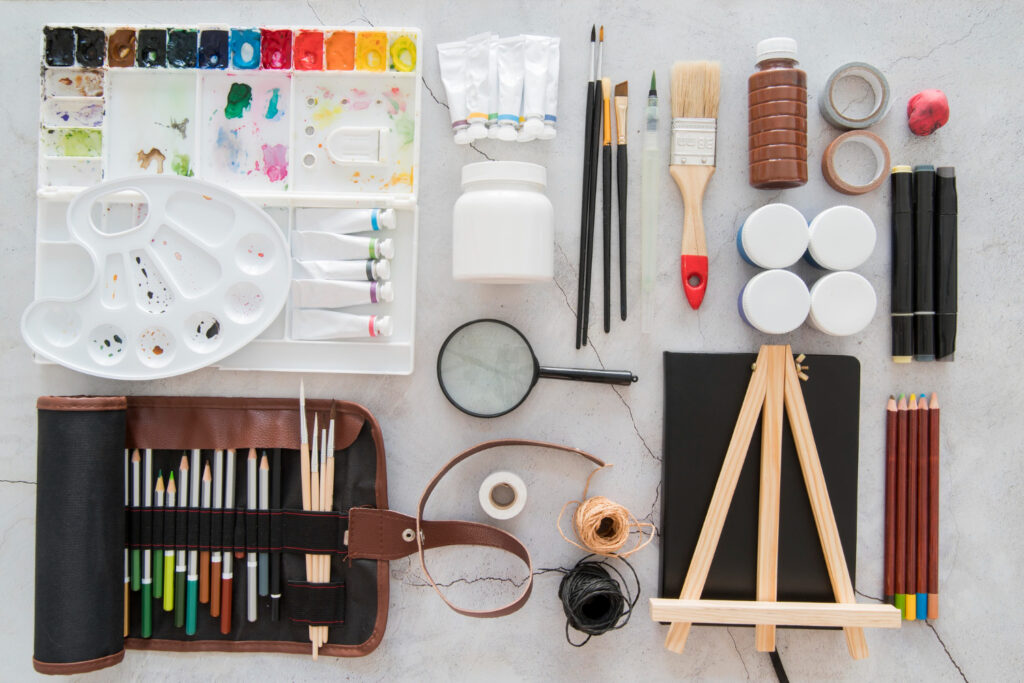
Choosing the right painting medium is one of the most essential decisions an artist makes before starting a new project. Each material—acrylic, oil paint, gouache, watercolor, ink, or oil stick—offers unique characteristics that influence texture, color behavior, drying time, blending ability, and overall artistic expression. Understanding how each medium works will help you create stronger artwork, avoid technical issues, and select the material that best matches your creative goals.
This guide, From Acrylic to Oil Stick: A Practical Guide to Materials and How to Choose the Right One for Your Project, is designed to help emerging and professional artists understand the strengths and limitations of popular art materials.
Why Your Choice of Material Matters
Your medium determines more than the look of your artwork—it shapes the entire workflow. The choice influences:
- Drying speed and how long you can blend pigments
- Texture and layering possibilities
- Color vibrancy and permanence
- Project duration and required materials
- Technique limitations or strengths
- Surfaces you can paint on
Selecting the wrong medium can make a project frustrating or technically unstable. Choosing the right one helps your work flow naturally.
Overview of the Most Popular Painting Materials
Before choosing, it’s essential to understand how each medium behaves. Below is a comprehensive breakdown of acrylics, oils, gouache, watercolors, inks, and oil sticks.
1. Acrylic Paint
Acrylic is one of the most versatile and beginner-friendly materials. Made of pigment suspended in fast-drying acrylic polymer, it dries into a water-resistant layer and can be applied to various surfaces.
Characteristics of Acrylic Paint
- Fast drying time (minutes)
- Water-based and non-toxic
- Can mimic watercolor or oil textures
- Great for layering and glazing
- Permanent once dry
Best Uses
- Mixed media art
- Abstract painting
- Murals
- Illustrations
Pros
- Quick drying makes it ideal for fast workflows
- Easy to clean with water
- Affordable and accessible
- Works on canvas, wood, paper, fabric, and more
Cons
- Dries too quickly for extended blending
- Colors darken slightly as they dry
2. Oil Paint
Oil paint is known for its rich texture, slow drying time, and unparalleled blending capacity. It has been used for centuries in classical and contemporary painting.
Characteristics of Oil Paint
- Slow drying (days to months)
- Oil-based and requires solvents
- Very rich pigmentation
- Smooth blending and glazing
Best Uses
- Portraits
- Realism
- Fine art gallery work
- Detailed rendering
Pros
- Superior blending time
- Vibrant and long-lasting colors
- Complex textures possible
- Perfect for both realism and expressive styles
Cons
- Requires solvents like turpentine or mineral spirits
- Long drying time may slow projects
- More expensive than acrylic
3. Gouache
Gouache is a hybrid between watercolor and acrylic, offering opacity with a matte finish. It is widely used by illustrators and designers for its clean, flat color style.
Characteristics of Gouache
- Opaque water-based paint
- Matte finish
- Reactivates with water
- Fast drying
Best Uses
- Illustration
- Poster-style art
- Graphic compositions
- Sketchbooks
Pros
- Great for flat, vibrant color fields
- Easy to correct mistakes
- Portable and beginner-friendly
Cons
- Can crack if applied too thickly
- Not waterproof once dry
4. Watercolor
Watercolor is known for its transparency and fluidity. It is ideal for expressive, delicate compositions and requires a unique approach to layering.
Characteristics of Watercolor
- Water-activated and translucent
- Best on cotton watercolor paper
- Fast drying
- Difficult to correct mistakes
Best Uses
- Botanical illustrations
- Sketching
- Landscape art
- Minimalist compositions
Pros
- Lightweight and travel-friendly
- Unique luminous effect
- Requires minimal materials
Cons
- Little control once water is applied
- Not ideal for heavy layering
5. Ink
Ink is a bold and expressive medium, ideal for line-focused works and high-contrast compositions. It can be used with brushes, pens, dip pens, or markers.
Characteristics of Ink
- Highly pigmented
- Available in waterproof or water-soluble formulas
- Excellent for line work
- Compatible with mixed media
Best Uses
- Calligraphy
- Comics and manga
- Illustration
- Graphic art
Pros
- Crisp lines and intense saturation
- Long-lasting medium
- Works well with watercolor and markers
Cons
- Quick drying leaves little room for errors
- May bleed on low-quality paper
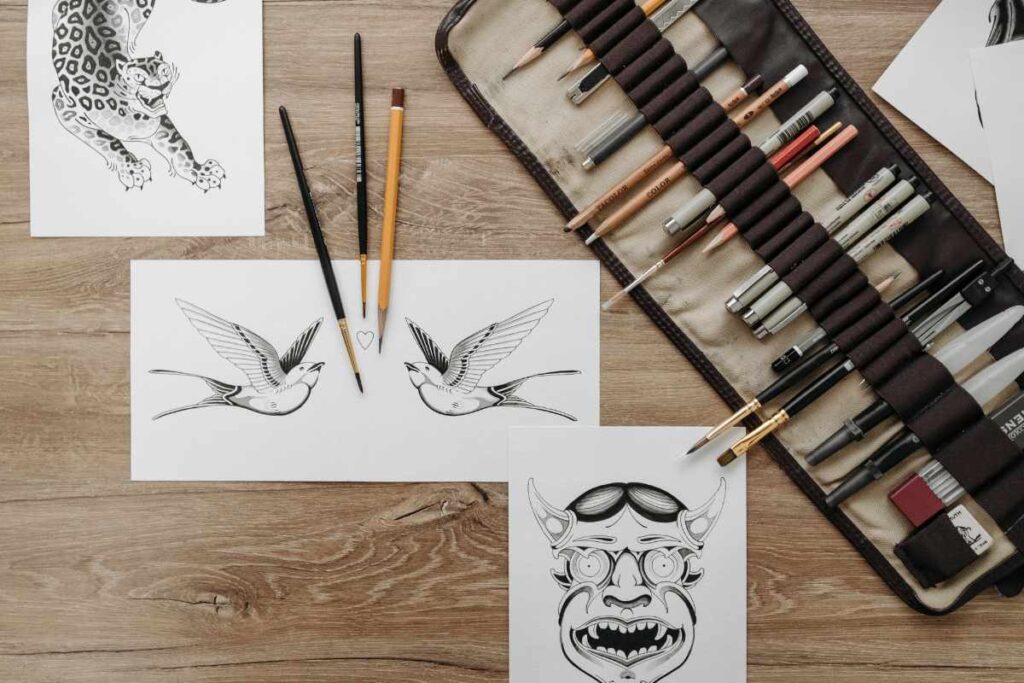
6. Oil Sticks
Oil sticks (or oil bars) offer the expressive qualities of oil paint with the convenience of a drawing tool. They are excellent for gestural, experimental, and large-format work.
Characteristics of Oil Sticks
- Solidified oil paint in stick form
- Same slow-drying properties as oil
- Requires protective layers when finished
- Blendable by hand or with mediums
Best Uses
- Large expressive artworks
- Mixed media with oils or acrylics
- Textured drawings
- Experimental techniques
Pros
- Direct, tactile application
- Bold marks and textures
- No need for brushes
Cons
- Messy handling
- More expensive than acrylic
- Requires fixatives and varnish
How to Choose the Right Material for Your Project
Choosing the right medium depends on your project’s goals, timeframe, desired aesthetic, and working style. Below are practical guidelines for making a confident decision.
1. Consider Your Desired Texture
- Thick, textured surfaces → oils or oil sticks
- Smooth, flat color → acrylic or gouache
- Transparent layers → watercolor or ink
2. Think About Drying Time
- If you need fast results → acrylic, gouache, ink, watercolor
- If you want long blending windows → oil paint, oil sticks
3. Evaluate Your Workspace
- Small spaces or travel → watercolor, gouache, acrylic
- Studio spaces with ventilation → oils, oil sticks
4. Analyze Your Budget
- Affordable → acrylic, watercolor, gouache
- Moderate → ink
- Higher cost → oils, oil sticks
5. Identify Your Skill Level
- Beginners → acrylic or watercolor
- Intermediate → gouache or ink
- Advanced → oil paints or oil sticks

Combining Materials: Tips for Mixed Media
Many artists successfully mix materials to expand their range. Here are safe combinations:
- Acrylic + Ink: great for bold linework over painted backgrounds
- Watercolor + Ink: perfect for illustration
- Acrylic (base) + Oils (top): safe layering using “fat over lean” principles
- Oil Sticks + Oil Paint: excellent for expressive textures
Never apply acrylics on top of oils—they will crack over time.
Frequently Asked Questions
What is the most versatile medium?
Acrylic is considered the most versatile due to its drying speed, price, and surface compatibility.
Which medium is best for beginners?
Acrylic or watercolor—both are inexpensive and easy to handle.
Are oil sticks the same as pastels?
No. Oil sticks are made of oil paint, while pastels are made of pigment and binder.
Do all materials need varnishing?
Oils and oil sticks benefit the most from varnish. Acrylics can be varnished for protection but don’t require it.
Can I mix acrylic with oils?
Only in one direction: acrylic first, oil on top. Never the reverse.
Final Thoughts
Understanding the differences between acrylic, oil, gouache, watercolor, ink, and oil sticks empowers you to make informed creative choices. Each medium offers unique possibilities, and the best one depends on your project goals, working style, and desired visual impact. Whether you prefer bold textures, delicate washes, or a hybrid approach, choosing the right material is the first step toward creating artwork that fully reflects your artistic vision.
By learning how these materials behave and experimenting with combinations, you’ll develop both technical confidence and a deeper personal style—an essential part of artistic growth.
Leave a Reply