Paper-based in Street Art: History and Cultural Impact
9 months ago
- What Are Paper-based in Street Art?
- The Historical Origins of Paper-Based Street Art
- Why Artists Choose This Medium
- Common Techniques and Materials
- Iconic Artists Known for Paper Installations
- Legal and Ethical Considerations
- The Role of Paper-based in Contemporary Urban Culture
- How Cities Influence the Style
- Collecting and Preserving Paper Street Art
- Future Trends and Evolution
Street art has evolved into one of the most influential cultural movements of the last decades. From spray-painted murals to intricate installations, artists continuously redefine how art interacts with public space. Among the many techniques used in urban environments, one paper-based method stands out for its accessibility, speed, and visual impact: paste-ups.
What Are Paper-based in Street Art?
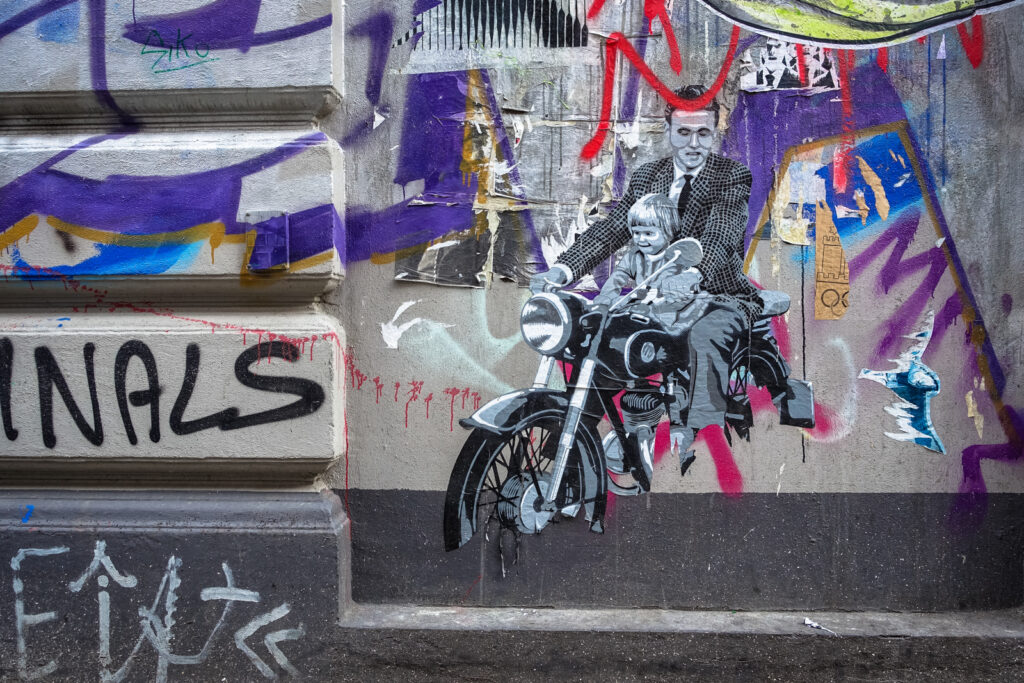
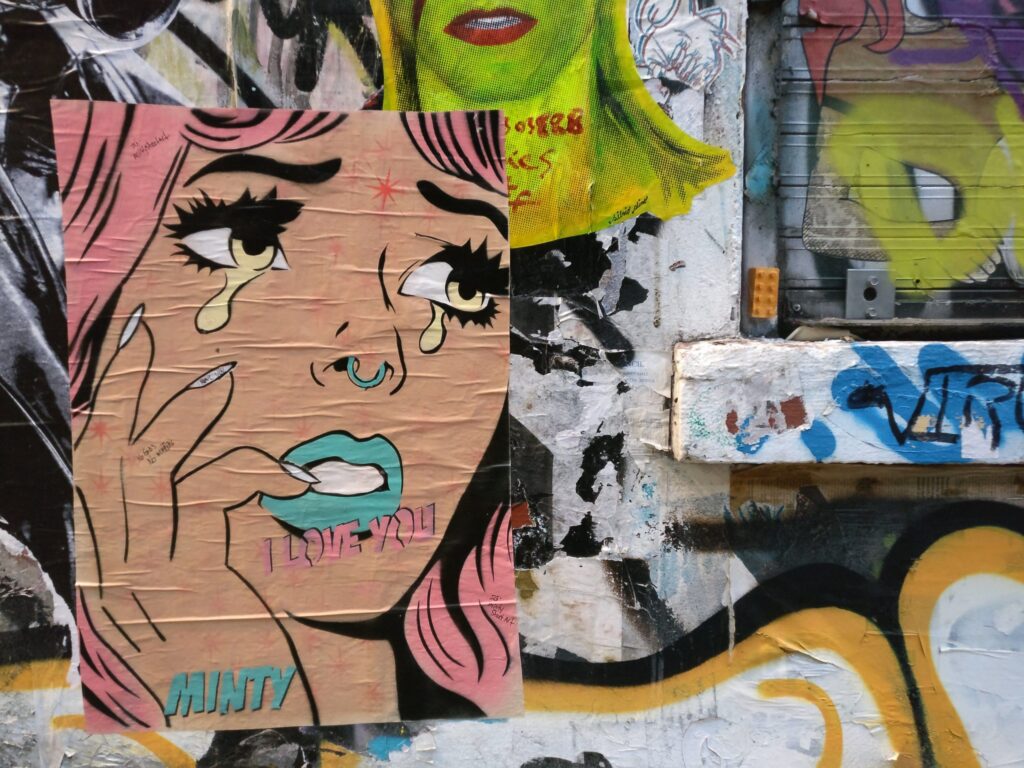
This technique involves attaching pre-prepared paper artworks onto walls, poles, doors, or other urban surfaces using adhesive materials such as wheatpaste or commercial glue. Unlike traditional graffiti, the artwork is created in advance, allowing for greater detail, illustration, and conceptual depth.
Artists can work in studios or at home, then quickly install the piece in public space. This speed reduces exposure to risk while allowing artists to maintain control over composition and message.
Paper-based street art often incorporates illustration, typography, photography, collage, or mixed media. The fragility of the material also plays a conceptual role, emphasizing impermanence and the constantly changing nature of cities.
Key Characteristics
- Created on paper before installation
- Applied with adhesive substances
- Highly detailed and illustrative
- Temporary by nature
- Accessible to artists of all skill levels
The Historical Origins of Paper-Based Street Art
The roots of this urban practice can be traced back to political posters, protest flyers, and advertising bills that once dominated city walls. Long before modern street art, paper was used as a tool for mass communication in public spaces.
In the late 20th century, artists began reclaiming these visual languages for creative expression. During the 1980s and 1990s, underground art scenes in cities like New York, Paris, and Berlin adopted paper installations as an alternative to spray paint.
French artist Blek le Rat and American street artist Shepard Fairey played key roles in popularizing this approach. Fairey’s early sticker and poster campaigns laid the foundation for what would later become globally recognized urban art movements.
Why Artists Choose This Medium
Accessibility and Low Cost
One of the biggest advantages is accessibility. Paper, printers, and glue are inexpensive compared to spray paint or large-scale equipment. This lowers the barrier of entry and democratizes participation in urban art culture.
Speed and Efficiency
Installation takes seconds rather than hours. Artists can place multiple works in one night, maximizing visibility while minimizing risk.
Conceptual Flexibility
Because the artwork is prepared beforehand, artists can experiment with complex themes, political commentary, satire, or emotional storytelling without the pressure of working quickly on-site.
Ephemeral Nature
Rain, sun, wind, and human interaction all contribute to the decay of paper works. Many artists embrace this fragility as a metaphor for social issues, memory, or urban transformation.
Common Techniques and Materials
Paper Types
- Standard printer paper
- Recycled paper
- Newsprint
- Rice paper
Thinner paper adheres better to uneven surfaces, while thicker paper-based allows for richer textures and colors.
Adhesives
Traditional wheatpaste is made from flour and water, offering an eco-friendly option. Some artists use wallpaper glue or commercial adhesives for increased durability.
Surface Selection
Brick walls, metal shutters, concrete pillars, and abandoned buildings are common locations. Surface texture influences how the artwork ages and peels over time.
Iconic Artists Known for Paper Installations
Shepard Fairey
Known for the OBEY campaign, Fairey transformed political iconography into powerful public statements. His use of repetition and symbolism helped legitimize street art within contemporary culture.
JR
The French artist JR uses large-scale photographic portraits pasted onto buildings worldwide. His work focuses on identity, migration, and social justice.
Swoon
Swoon’s intricate cut-paper portraits explore human vulnerability and community. Her installations often blend seamlessly into urban landscapes.
More about contemporary urban artists can be found through resources like StreetArtBio.
Legal and Ethical Considerations
Despite growing recognition, street art exists in a legal gray area. Installing paper works without permission is considered vandalism in many cities.
However, attitudes are changing. Some municipalities now commission urban artists, while property owners may preserve or even protect installations that resonate with the community.
Ethically, artists often debate issues such as:
- Respecting private property
- Environmental impact
- Commercialization of street culture
Understanding local laws and cultural contexts is essential for both artists and collectors.
The Role of Paper-based in Contemporary Urban Culture
Paper-based installations have become a visual language of modern cities. They reflect political unrest, humor, social critique, and personal narratives.
In the age of social media, these works often gain global exposure within hours. Photographs shared online extend their lifespan far beyond their physical existence.
How Cities Influence the Style
Urban environments shape artistic choices. In cities with heavy rain, artists may opt for thicker paper or stronger adhesives. In historic districts, subtle designs blend better with architecture.
Cultural context also matters. Political messages may dominate in some regions, while playful or poetic visuals thrive elsewhere.
Collecting and Preserving Paper Street Art
As street art gains institutional recognition, collectors and museums face challenges in preserving paper-based works originally intended to decay.
Some artists recreate pieces for galleries, while others resist commodification entirely. Preservation raises questions about authorship, context, and authenticity.
Museums such as the Museum of Contemporary Art have included street art in exhibitions, acknowledging its cultural importance.
Future Trends and Evolution
Technology continues to influence urban art. Digital printing, augmented reality, and sustainable materials are expanding creative possibilities.
Yet the essence remains unchanged: direct communication with the public, outside traditional art institutions.
As cities evolve, so will the walls that speak through paper-based, ink, and glue.
This paper-based street art technique represents one of the most powerful and democratic forms of urban expression. Its simplicity, versatility, and emotional resonance ensure its continued relevance in contemporary culture.
By understanding its history, methods, and impact, we gain deeper insight into how cities communicate through visual language. For anyone exploring urban creativity, these works offer an authentic reflection of society—raw, temporary, and deeply human.
Leave a Reply