Street Art and Activism: How Walls with a Message Shape Social Movements
8 months ago
- The Historical Roots of Street Art and Activism
- Why Public Space Matters in Activism
- Iconic Figures in Activist Street Art
- Street Art as a Tool for Social Change
- Visual Strategies in Activist Street Art
- From Local Protest to Global Visibility
- Legal and Ethical Dimensions
- Community-Led Activism Through Murals
- Street Art, Memory, and Collective Identity
- The Risk of Commercial Co-Option
- The Future of Activist Street Art
- Frequently Asked Questions (FAQ)
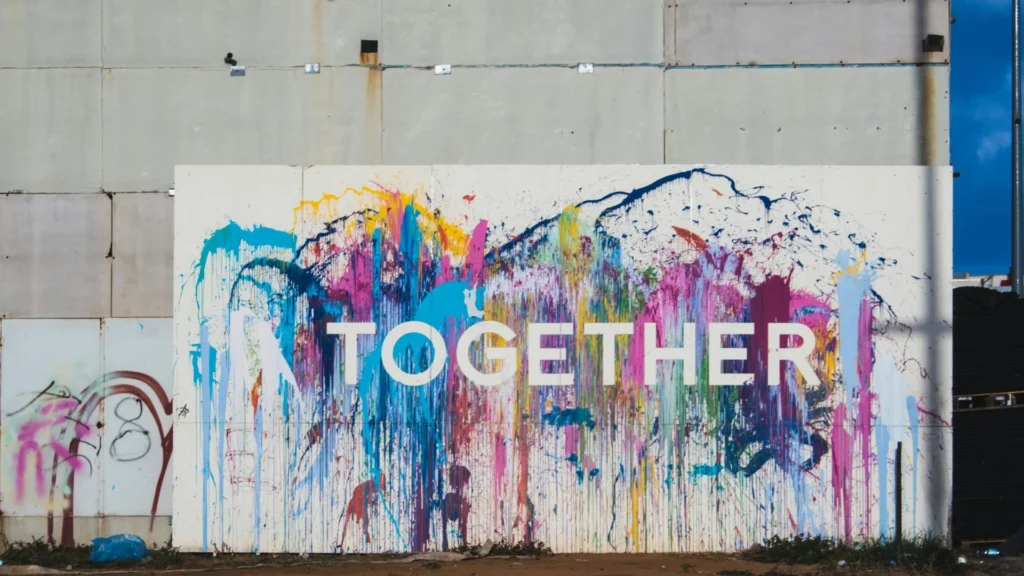
Across cities worldwide, walls have become more than architectural structures—they are platforms for activism, resistance, and collective memory. From political revolutions to climate justice campaigns, street art has played a decisive role in shaping public discourse. Murals, stencils, paste-ups, and installations transform urban landscapes into open-air forums where marginalized voices can speak directly to society.
This article explores how street art and activism intersect, examining historical movements, visual strategies, ethical implications, and the evolving digital dimension of protest art. Designed for students, researchers, and cultural observers, this guide offers a structured and authoritative analysis grounded in contemporary scholarship and field observation.
The Historical Roots of Street Art and Activism
Although urban expression dates back centuries, modern activist street art gained visibility in the late 20th century. In cities facing political unrest, economic inequality, and racial tensions, public walls became tools for reclaiming narrative power.
The broader context of urban expression can be explored in our detailed overview of urban art fundamentals, which explains how informal visual communication evolved into a global cultural force.
Historically, murals in Latin America, anti-apartheid graffiti in South Africa, and protest art in Europe illustrate how activism has consistently shaped street aesthetics. These works are not merely decorative; they function as social documents.
Why Public Space Matters in Activism
Unlike gallery art, street art exists in shared environments. Its audience is not self-selected; it includes commuters, residents, tourists, and passersby. This accessibility amplifies activist messages.
Key Characteristics of Activist Street Art
- Immediate visual impact
- Site-specific symbolism
- Low barrier to public engagement
- Often unauthorized or semi-legal execution
In neighborhoods such as Shoreditch, documented in our analysis of Street Art in Shoreditch, walls frequently reflect political tensions, housing debates, and cultural identity struggles.
Iconic Figures in Activist Street Art
Several internationally recognized artists have merged aesthetic innovation with political messaging.
One of the most influential is, whose works critique consumerism, war, and state surveillance. His stencil pieces often appear overnight, generating global media coverage while preserving anonymity.
Another significant voice is, known for large-scale photographic installations addressing immigration, identity, and social justice.
These artists demonstrate how activism can coexist with international recognition, challenging the assumption that protest art must remain underground.
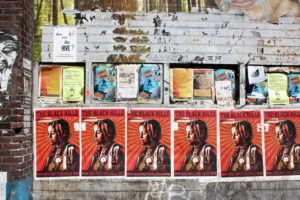
Urban art frequently addresses:
- Racial injustice
- Gender equality
- Climate change
- Human rights
- Economic inequality
Our in-depth article on urban art as a tool for social change explores how communities use murals to spark dialogue and foster civic participation.
During global movements, walls often become memorials. Portraits of victims, symbolic imagery, and collective slogans transform urban space into sites of remembrance and solidarity.
Visual Strategies in Activist Street Art
1. Symbolism
Symbols condense complex political ideas into recognizable forms—raised fists, broken chains, or melting earth motifs.
2. Portraiture
Faces humanize abstract causes, inviting empathy and identification.
3. Text-Based Messages
Short slogans maximize clarity and emotional impact.
4. Scale and Placement
Large-scale murals near government buildings or financial districts amplify confrontational messages.
Understanding technique is essential. For example, paste-ups allow rapid dissemination of activist imagery.
From Local Protest to Global Visibility
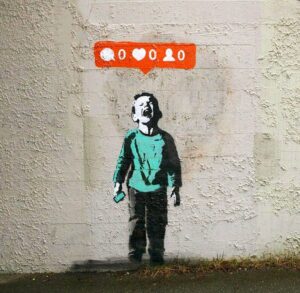
Digital platforms have dramatically expanded the reach of activist street art. A mural painted in a small neighborhood can gain international attention within hours through social media sharing.
This transformation is part of a broader evolution described in our exploration of urban art in the digital age, where physical works intersect with virtual environments.
While digital amplification increases visibility, it also raises questions about authorship, context loss, and commercialization.
Legal and Ethical Dimensions
Street art tied to activism often exists in legal gray areas. Unauthorized murals may be removed quickly, especially if politically controversial.
Key Ethical Questions
- Who has the right to speak in public space?
- Should politically charged art be preserved?
- How do municipalities balance expression and regulation?
Some cities have established formal mural programs to channel activist expression into sanctioned spaces, while others maintain zero-tolerance policies.
Community-Led Activism Through Murals
Grassroots mural projects frequently emerge from community organizations. These initiatives often prioritize collaboration over individual authorship.
For example, public art programs in cities like :contentReference[oaicite:2]{index=2} have demonstrated how urban art can strengthen neighborhood identity and encourage dialogue between residents and policymakers.
Unlike anonymous graffiti, community murals often involve workshops, educational outreach, and participatory design sessions.
Street Art, Memory, and Collective Identity
Activist murals frequently function as historical records. In moments of crisis, walls become archives of emotion—documenting grief, resistance, and hope.
Because of their ephemerality, documentation is critical. Photographs, interviews, and scholarly analysis preserve works that may otherwise disappear. Researchers examining these murals must approach them with contextual sensitivity and methodological rigor.
The Risk of Commercial Co-Option
As street aesthetics gain popularity, corporations sometimes adopt activist visual language for branding. This creates tension between authentic grassroots expression and commodified rebellion.
Maintaining critical awareness is essential when analyzing contemporary examples. Authentic activism prioritizes message over market value.
The Future of Activist Street Art
Looking ahead, activist street art will likely continue integrating technology, projection mapping, and augmented reality. Environmental themes and social equity movements are expected to remain central subjects.
As urban populations grow, public walls will remain contested spaces—simultaneously regulated and reclaimed.
For scholars, journalists, and cultural observers, understanding how activism shapes visual culture is essential for interpreting contemporary cities.
Street art and activism share a fundamental principle: visibility. By occupying public space, activist artworks bypass traditional gatekeepers and speak directly to society. Whether through stenciled slogans, monumental murals, or ephemeral paste-ups, these visual interventions challenge injustice, preserve memory, and inspire collective action.
Far from being mere decoration, activist street art represents a dynamic intersection of art, politics, and community engagement. As cities evolve, so too will the messages written on their walls.
Frequently Asked Questions (FAQ)
How does street art support activism?
It transforms public spaces into platforms for protest, awareness, and social dialogue.
Is activist street art always illegal?
No. Some works are unauthorized, while others are created through community or city programs.
Why is street art effective for political messages?
Its accessibility and visibility allow messages to reach broad, diverse audiences instantly.
Can activist murals influence public policy?
They can shape public opinion, which may indirectly pressure policymakers.
How should researchers document activist street art?
Through photographs, contextual analysis, interviews, and ethical citation practices.
Leave a Reply