From Mural to Metaverse: How Urban Art Is Evolving in the Digital Age
10 months ago

- The New Era of Urban Art
- From Mural to Metaverse: Understanding the Evolution
- 1. The Golden Age of Traditional Urban Art
- 2. The Rise of Digital Tools in Street Art
- 3. AR and Projection Mapping Transform Public Spaces
- 4. NFTs Reshape Ownership and Monetization
- 5. The Metaverse: The New Public Space
- Why This Evolution Matters
- Key Technologies Driving the Shift
- Real-World Examples of Digital Urban Art
- Benefits for Artists
- Challenges of Digital Urban Art
- The Future of Urban Art
- Frequently Asked Questions
- Final Thoughts
Urban art has always been a dynamic, rebellious, and transformative expression of culture. From graffiti on subway trains in the 1970s to large-scale murals on city buildings today, street art has continually evolved alongside technology and societal shifts. But now, a new era is emerging—one in which traditional public art merges with digital innovation. The evolution from mural to metaverse represents one of the most profound shifts in the history of urban expression.
This article explores how urban art is evolving in the digital age, how artists are using technology to push creative boundaries, and what the future may hold as street art expands into virtual spaces. You’ll discover examples, techniques, opportunities, and challenges that shape this transformation.
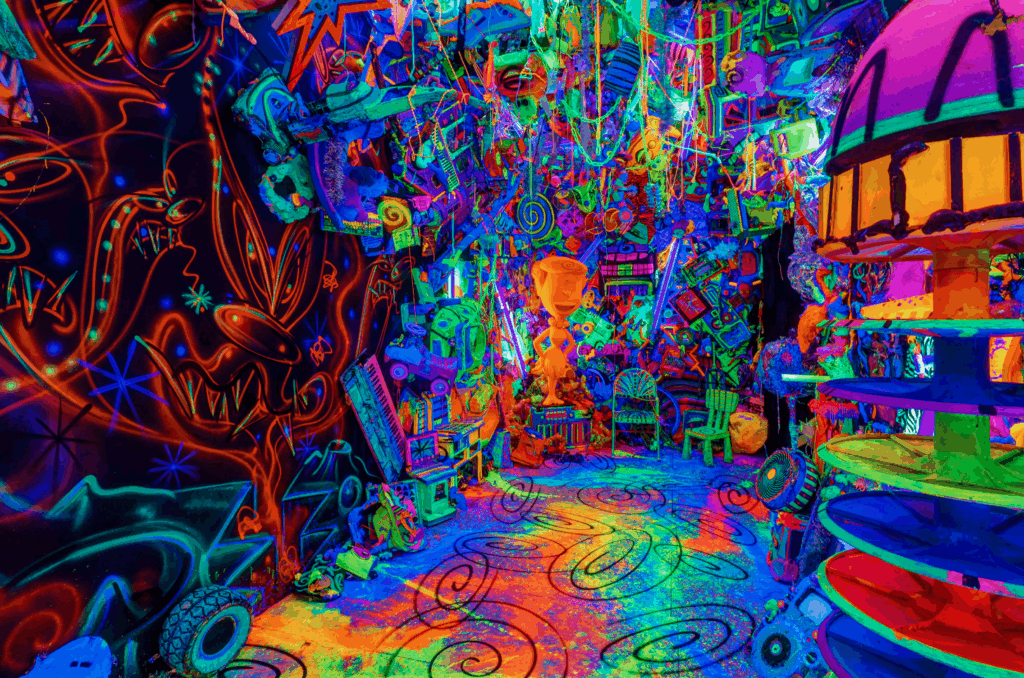
The New Era of Urban Art
For decades, urban art has served as a visual chronicle of social issues, activism, cultural identity, and creative experimentation. Today, this tradition continues—but the canvas is no longer limited to walls, buildings, or public spaces.
Advances in technology have allowed artists to expand their storytelling beyond physical constraints. Augmented reality (AR), virtual reality (VR), digital projection, blockchain, and the metaverse have opened doors to new dimensions of urban creativity. What once existed solely on street corners or abandoned warehouses can now exist in immersive, interactive digital environments available to global audiences.
Urban art is no longer bound to geography. Anyone with a smartphone or VR headset can experience it. This shift has democratized visibility, diversified creative tools, and expanded the definition of what street art can be.
From Mural to Metaverse: Understanding the Evolution
The phrase "From Mural to Metaverse: How Urban Art Is Evolving in the Digital Age" captures a seismic change in how art is created, consumed, and preserved. Below is a chronological look at the major transitions shaping this journey.
1. The Golden Age of Traditional Urban Art
Street art began as an act of rebellion—an aesthetic and political response to urban conditions. Graffiti and murals became powerful channels for resistance, identity, and creative freedom. Artists like Jean-Michel Basquiat, Keith Haring, and later Banksy brought street art into mainstream consciousness. Traditional muralism grew into a respected public art form, often commissioned by cities to transform neighborhoods.
However, urban art in physical environments faces challenges such as censorship, vandalism, weathering, and limited reach. These constraints sparked a search for more durable, expansive, and interactive formats.
2. The Rise of Digital Tools in Street Art
With the rise of smartphones and digital software, artists began experimenting with digital tools to design, preview, or animate their work. Programs like Procreate, Blender, and Adobe Fresco made it easier to conceptualize and refine ideas before painting walls. Meanwhile, social media platforms amplified these artworks, allowing local pieces to gain global visibility.
Urban art became hybrid—part physical, part digital.
3. AR and Projection Mapping Transform Public Spaces
Augmented reality introduced a new layer of creativity to street art. With AR filters, QR codes, and projection mapping, murals can now come alive on screens.
Examples of AR-powered urban art include:
- Murals that animate when viewed through a smartphone
- Graffiti transformed into digital characters or 3D scenes
- Interactive projections on building façades
- Smartphone apps that reveal hidden layers of murals
These technologies allow artists to expand the narrative beyond the static surface of a wall.
4. NFTs Reshape Ownership and Monetization
Blockchain technology and NFTs (non-fungible tokens) introduced revolutionary possibilities for digital artists and street artists alike. Artists who once relied on physical commissions or prints found new ways to monetize digital creations.
NFTs allow urban artists to:
- Own and control digital artworks in verifiable ways
- Sell unique or limited-edition digital pieces
- Reach global collectors without intermediaries
- Earn royalties through smart contracts
This shift has given street art unprecedented economic potential. Even ephemeral works—like graffiti that gets removed or painted over—can live forever in digital form.

5. The Metaverse: The New Public Space
The metaverse, a network of immersive virtual environments, represents the next frontier of urban art. Here, artists can create murals, sculptures, installations, and architecture unconstrained by physics or legality.
In the metaverse, artists can:
- Build 3D murals in floating cities
- Design interactive worlds that respond to user movement
- Collaborate in real time with global creators
- Sell virtual art displayed in virtual galleries
- Curate exhibitions accessible from anywhere
Virtual spaces inside platforms like VRChat, Spatial, and Decentraland are becoming digital canvases for new generations of urban creators.
Why This Evolution Matters
The transformation from mural to metaverse matters because technology expands what urban art can represent and how it can be experienced. No longer confined to physical walls, street art is becoming an immersive, globalized cultural movement that blends reality and imagination.
This evolution also reflects broader cultural shifts:
- Digital storytelling replacing traditional narratives
- Hybrid experiences becoming the norm
- Increasing global connectivity through online platforms
- New economic models for artists in digital markets
The digital age is reshaping creativity itself, and urban art is at the forefront of this transformation.
Key Technologies Driving the Shift
Augmented Reality (AR)
Allows static murals to transform into moving images, layered interpretations, or interactive scenes.
Virtual Reality (VR)
Gives artists the freedom to design entire worlds unconstrained by gravity or scale.
3D Modeling and Animation
Software tools enable artists to sculpt virtual objects or simulate textures and lighting impossible in real life.
NFTs and Blockchain
Create secure digital ownership and new revenue streams for artists working in virtual environments.
Projection Mapping
Transforms buildings into massive animated canvases, ideal for festivals and live events.
Real-World Examples of Digital Urban Art
- AR murals that animate through smartphone apps.
- Virtual graffiti walls where artists can collaborate without physical constraints.
- Digital festivals in the metaverse showcasing global street art.
- Interactive installations that change according to user motion or sound.
These innovations show how digital tools are reshaping the future of street art.
Benefits for Artists
Global Reach
Digital works can be experienced worldwide, not only by local passersby.
Creative Freedom
The metaverse eliminates physical limitations—no permits, no weather erosion, no scale restrictions.
New Income Opportunities
NFTs and digital exhibitions offer scalable revenue models.
Preservation of Ephemeral Works
Digital archives allow graffiti and street art to live forever.
Challenges of Digital Urban Art
Technical Barriers
Artists must learn new software and digital platforms.
Accessibility
Not all audiences have the technology to experience AR or VR art.
Authenticity Debates
Some argue that digital graffiti loses the rawness and political urgency of physical street art.
Copyright Issues
Digital art is easier to copy, requiring stronger protections.
The Future of Urban Art
The future of urban art lies in hybrid experiences—murals enhanced by AR, virtual galleries that coexist with physical exhibitions, and blockchain-powered ownership models.
As the metaverse grows, artists will develop fully virtual urban landscapes, expanding not just the art form but the very definition of public space.
Frequently Asked Questions
How is technology changing urban art?
Technology introduces new mediums such as AR murals, VR spaces, NFTs, and projection mapping, expanding creative freedom.
Can digital street art replace traditional murals?
No. Digital art adds new dimensions but does not replace the cultural value of physical muralism.
What is the role of the metaverse in urban art?
The metaverse creates virtual public spaces where artists can build immersive, interactive environments without physical limits.
Do urban artists use NFTs?
Yes, many use NFTs to monetize digital murals and virtual installations.
Final Thoughts
The shift from mural to metaverse marks a pivotal moment in art history. Urban art is evolving, expanding, and reinventing itself through digital innovation. By embracing technology, artists can reach global audiences, explore limitless creativity, and redefine what it means to create public art in the digital age. The future of urban art is hybrid, immersive, and more accessible than ever—an exciting new chapter for creators and audiences alike.
Leave a Reply