The Origins of Street Art: History, Culture, and Evolution of Urban Expression
11 months ago
- Table of Contents
- Introduction: Why Understanding the Origins of Street Art Matters
- What Is Street Art?
- Ancient and Prehistoric Roots of Public Art
- Modern Graffiti: The Birth of a Global Movement
- New York in the 1970s: The Epicenter of Street Art Culture
- Evolution Toward Contemporary Street Art
- Technology and the Digital Transformation of Street Art
- How Street Art Became a Global Cultural Force
- Key Influences That Shaped Street Art
-
FAQs About The Origins of Street Art
- 1. Where did street art originate?
- 2. What’s the difference between graffiti and street art?
- 3. Who were the pioneers of modern street art?
- 4. Why did street art grow in the 1970s?
- 5. Is street art always illegal?
- 6. When did street art become mainstream?
- 7. How has technology influenced street art?
- Conclusion
Introduction: Why Understanding the Origins of Street Art Matters
Street art is one of the most influential artistic movements of the modern era, shaping public space, expressing social issues, and pushing cultural boundaries. To understand its power today, we must explore The Origins of Street Art. Far from being a recent phenomenon, street art has existed in various forms since humanity first began marking walls.
This long-form guide explores the historical, cultural, and artistic roots of street art—from ancient civilizations to the graffiti explosion of the 20th century and the global urban art movement that thrives today.
What Is Street Art?
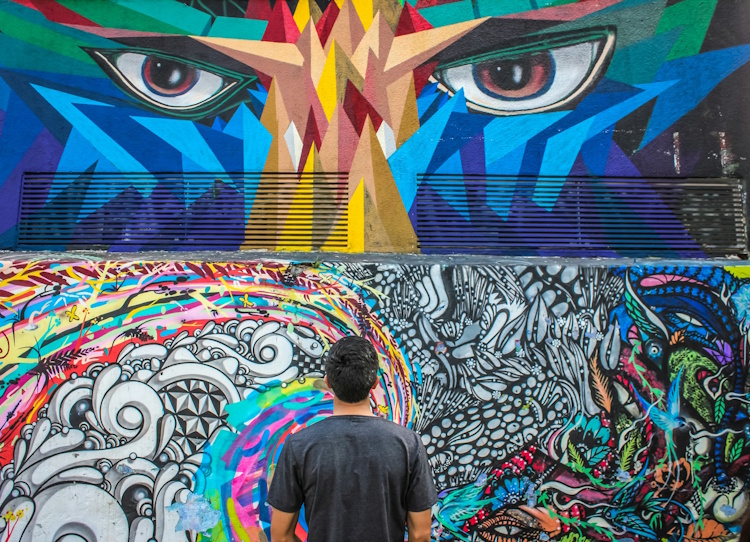
Street art refers to creative works made in public spaces, often without formal authorization but increasingly with community support. It includes graffiti, stencils, murals, installations, stickers, and more. While graffiti focuses on lettering and tagging culture, street art expands into broader visual expression, symbolizing identity, rebellion, activism, and aesthetics.
The term “street art” became popular in the 1980s and 1990s, but the movement’s origins are much older than most people realize. Understanding The Origins of Street Art means exploring early human communication, political expression, and public mark-making.
Ancient and Prehistoric Roots of Public Art
The history of street art begins long before modern cities, spray paint, or graffiti culture. Human beings have been marking walls and public surfaces for tens of thousands of years.
Prehistoric Cave Art
The earliest known wall markings are prehistoric cave paintings found in places like Lascaux, Altamira, and Sulawesi. These artworks served multiple purposes:
- Communicating messages
- Depicting stories
- Celebrating rituals
- Representing identity and belief systems
Though not “street art” in the modern sense, these early expressions show humanity’s long-standing desire to use walls as canvases.
Ancient Civilizations
Civilizations such as the Egyptians, Greeks, and Romans used public walls for visual communication. Roman street inscriptions (known as graffiti) included:
- Political messages
- Love declarations
- Advertisements
- Drawings and symbols
Some Roman graffiti discovered in Pompeii resembles modern street art in humor, tone, and style. Exploring these ancient markings provides historical depth when examining The Origins of Street Art.
Medieval and Renaissance Mark-Making
Throughout the Middle Ages and Renaissance, people continued marking public buildings, taverns, and city walls. Pilgrims carved symbols, workers scratched signatures, and citizens wrote political messages. These forms of public expression created a foundation for future urban art movements.
Modern Graffiti: The Birth of a Global Movement
Modern street art has its roots in the graffiti culture of the late 20th century. While graffiti existed earlier, the 1960s and 1970s marked a turning point, especially in large metropolitan centers.
The Rise of Name Writing
In cities like Philadelphia and New York, youth culture began experimenting with tagging—writing stylized signatures on walls, subway cars, and public spaces. Pioneers like CORNBREAD in Philadelphia and TAKI 183 in New York helped popularize the practice.
This era represents a crucial chapter in The Origins of Street Art because it introduced:
- Identity-based public expression
- The concept of “getting up” (visibility)
- Competition-driven creativity
- Innovative lettering styles
The Subway Graffiti Era
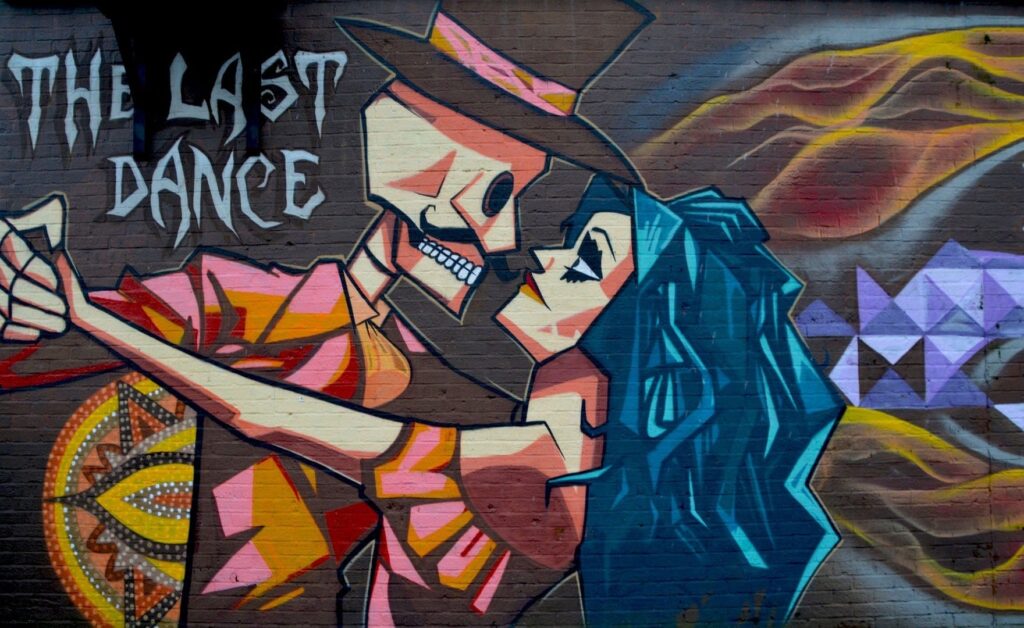
The New York City subway system became the canvas of an artistic revolution. Writers created increasingly elaborate pieces, evolving from simple tags to colorful throw-ups, block letters, and large-scale masterpieces called “burners.”
Spray paint techniques developed rapidly, setting the stage for modern street art practices.
New York in the 1970s: The Epicenter of Street Art Culture
The 1970s were a defining moment for street art history. New York City became the heart of a cultural explosion fueled by music, community identity, and urban environments.
The Hip-Hop Connection
Graffiti grew alongside the emerging hip-hop culture, influenced by DJs, MCs, breakdancers, and cultural blocks in the Bronx, Brooklyn, and Harlem. The movement embraced:
- Self-expression
- Resistance
- Creativity in marginalized communities
- Innovation in visual storytelling
From Graffiti to Street Art
As artists gained more recognition, they began exploring techniques beyond tagging, including stencils, murals, and mixed-media approaches. Artists like Jean-Michel Basquiat and Keith Haring began bringing street aesthetics into galleries, reshaping public perception.
Evolution Toward Contemporary Street Art
The 1980s and 1990s marked the transformation of graffiti into a broader street art movement. New techniques, technologies, and cultural influences shifted the landscape.
Stencils and Political Commentary
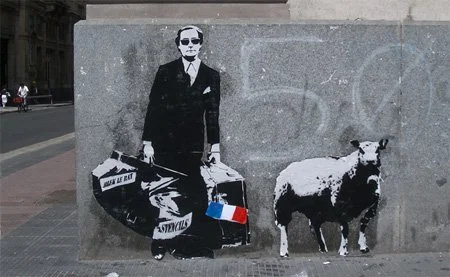
Stencil art, popularized by artists like Blek Le Rat, introduced sharper lines, repeatable images, and political messaging. This technique paved the way for artists such as Banksy to gain worldwide recognition.
Muralism and Community Projects
Large-scale murals became a channel for cultural storytelling, activism, and beautification. This expansion solidified street art as a respected artistic practice.
Street Art Festivals
Major cities began hosting street art festivals and inviting global artists to create legal, monumental works. This helped move street art into mainstream recognition.
Technology and the Digital Transformation of Street Art
In the 2000s and 2010s, technology changed how street art was viewed, shared, and even created.
Platforms like Instagram allowed artists to reach global audiences instantly and archive temporary works.
Augmented Reality (AR) and Projection Art
Modern street artists now incorporate AR layers, digital mapping, and projections, merging physical and virtual worlds.
How Street Art Became a Global Cultural Force
Street art spread worldwide, becoming a key component of urban identity. Cities like Berlin, São Paulo, Buenos Aires, Melbourne, and Mexico City became hotspots of creative intervention.
Today, street art influences:
- Fashion
- Advertising
- Political movements
- Tourism
- Community revitalization
The global impact of street art reflects how far we’ve come from The Origins of Street Art.
Key Influences That Shaped Street Art
- Urban environments and architecture
- Youth culture and subcultures
- Political activism
- Technology and social networks
- Music movements like hip-hop and punk
- Community identity and social struggles
FAQs About The Origins of Street Art
1. Where did street art originate?
Its roots trace back to ancient civilizations, but modern street art emerged from graffiti culture in the 20th century.
2. What’s the difference between graffiti and street art?
Graffiti focuses on lettering and tags, while street art includes murals, stencils, and broader visual expression.
3. Who were the pioneers of modern street art?
Artists like CORNBREAD, TAKI 183, Keith Haring, Basquiat, and Blek Le Rat played major roles.
4. Why did street art grow in the 1970s?
Urban decay, youth culture, and the rise of hip-hop contributed to New York’s graffiti explosion.
5. Is street art always illegal?
No. Many cities now host legal walls, community murals, and street art festivals.
6. When did street art become mainstream?
In the 1990s and 2000s, street art entered galleries, museums, and global media.
7. How has technology influenced street art?
Social media, digital tools, and augmented reality have expanded its possibilities and visibility.
Conclusion
Understanding The Origins of Street Art gives us a deeper appreciation for this powerful global movement. From prehistoric cave paintings to modern murals and digital interventions, street art reflects humanity’s long tradition of using public space to communicate, challenge norms, and celebrate identity. Today, street art continues to evolve, transforming cities worldwide and inspiring new generations of artists.
Leave a Reply