London Street Art in Shoreditch: A Cultural and Visual
8 months ago · Updated 8 months ago
- The Rise of Shoreditch as a Street Art Hub
- Why Shoreditch Is Unique Within London
- Key Streets and Locations to Explore
- Influential Artists Associated with Shoreditch
- The Cultural Meaning of Art in Shoreditch
- Tourism, Photography, and Digital Preservation
- Legal and Ethical Perspectives
- How Shoreditch Influences Global Street Art
- Art Shoreditch as a Living Archive
- Future of Street Art in Shoreditch
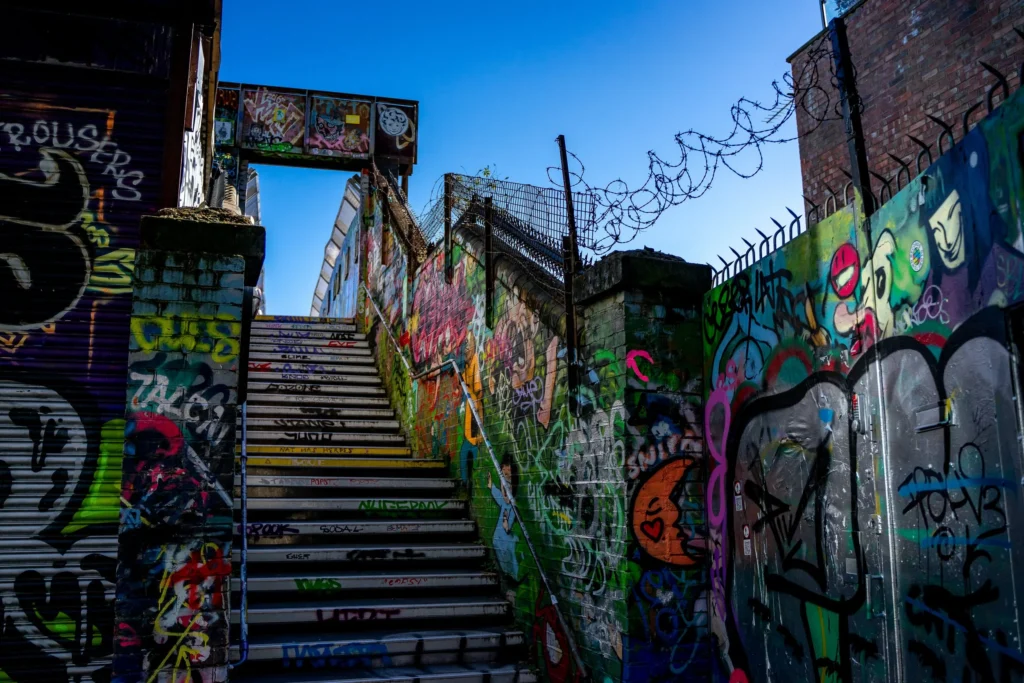
London is one of the world’s most influential capitals of urban creativity, and no neighborhood represents this better than Shoreditch. Located in East London, this district has evolved from an industrial area into a global reference point for contemporary street expression. Walking through its streets feels like entering an open-air gallery where walls tell stories of identity, resistance, humor, and social change.
The Rise of Shoreditch as a Street Art Hub
Shoreditch’s transformation began in the late 20th century, when abandoned warehouses and affordable rents attracted artists, designers, and musicians. As creative communities settled in the area, street art naturally followed, using empty walls as canvases for experimentation.
Unlike commissioned murals found in other parts of London, Shoreditch developed organically. Artists painted, pasted, and stenciled without formal permission, creating a constantly evolving visual landscape. This freedom fostered innovation and diversity, turning the neighborhood into a living archive of urban art history.
By the early 2000s, Shoreditch had gained international recognition, drawing artists from across Europe and beyond. Today, it remains a central point of reference for anyone studying or documenting contemporary street culture.
Why Shoreditch Is Unique Within London
Constant Change
Few places in the world change as rapidly as Shoreditch. A mural visible today may be replaced tomorrow. This impermanence is not a flaw but a defining characteristic, reflecting the transient nature of urban life.
Diversity of Styles
From photorealistic murals to abstract compositions, political slogans, paste-ups, stencils, and typographic experiments, Shoreditch showcases nearly every form of street art. This stylistic diversity makes it an essential study area for understanding global trends.
Public Engagement
Street art in Shoreditch is deeply integrated into daily life. Office workers, residents, tourists, and students all interact with the artworks, often sharing them on social media and extending their reach far beyond London.
Key Streets and Locations to Explore
Brick Lane
Brick Lane is the symbolic heart of the area. Its walls, side streets, and market surroundings are covered with layers of artwork, old and new. The street reflects Shoreditch’s multicultural identity and long history of immigration and creativity.
Redchurch Street
Known for its boutiques and cafés, Redchurch Street often features carefully curated murals that blend commercial and independent artistic expression.
Hanbury Street
This street offers a mix of large-scale murals and smaller interventions, often addressing social themes or abstract visual concepts.
Rivington Street and Great Eastern Street
These streets host some of the most photographed walls in East London, with rotating murals by internationally recognized artists.
Influential Artists Associated with Shoreditch
Banksy
Although his works appear throughout the UK and beyond, several early pieces in Shoreditch helped solidify the area’s reputation. His satirical approach to politics and society continues to influence generations of artists.
Ben Eine
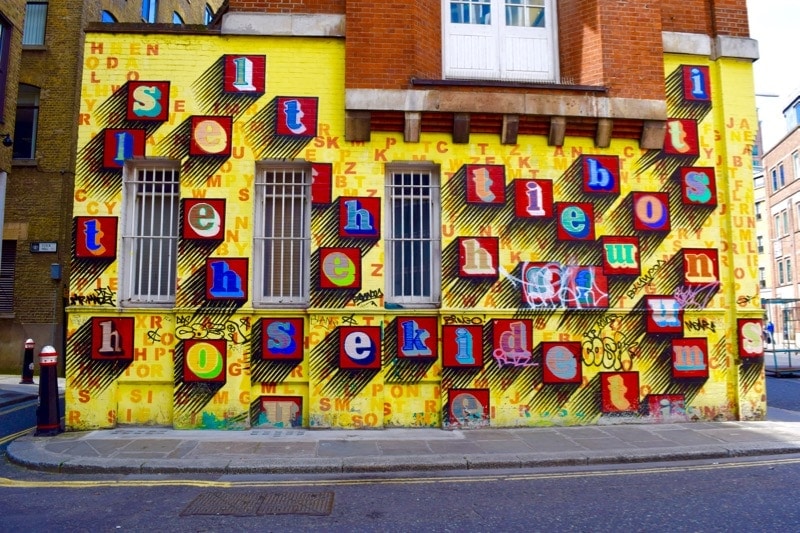
Recognizable for his bold typography, Ben Eine’s letter-based murals have become a visual signature of East London streets.
Stik
With his simple yet emotionally expressive figures, Stik captures human vulnerability and connection in urban environments.
International Contributors
Artists from around the world regularly leave their mark in Shoreditch, reinforcing its status as a global meeting point for street creativity.
The Cultural Meaning of Art in Shoreditch
The visual language found across Shoreditch reflects broader cultural conversations. Themes such as gentrification, identity, migration, mental health, consumerism, and environmental awareness appear frequently.
Art in Shoreditch is not merely decorative. It acts as a public forum where ideas are shared openly, often challenging viewers to reflect on social realities.
This openness aligns with London’s long tradition of protest art and political expression, linking contemporary street practices with historical movements.
Tourism, Photography, and Digital Preservation
Street art has become a major attraction for visitors to London. Guided walking tours, independent photographers, and researchers regularly document Shoreditch’s walls.
However, the rapid turnover of artworks means that documentation plays a crucial role in preservation. Online archives and photography platforms ensure that works continue to exist digitally even after they disappear physically.
Websites such as Tate and independent archives contribute to the academic and cultural recognition of street art.

Legal and Ethical Perspectives
Street art in Shoreditch exists in a complex legal environment. While some murals are commissioned or tolerated by property owners, others remain unauthorized.
Local councils have adopted mixed approaches, balancing urban regeneration, tourism, and property rights. This ambiguity has become part of Shoreditch’s identity, allowing creativity to thrive while sparking ongoing debate.
Ethically, discussions often focus on gentrification. As street art increases an area’s cultural value, it can unintentionally contribute to rising rents and displacement.
How Shoreditch Influences Global Street Art
The influence of Shoreditch extends far beyond London. Artists who gain visibility in East London often carry its aesthetic and philosophy to other cities worldwide.
Its emphasis on experimentation, impermanence, and public dialogue has shaped how street art is perceived globally — not just as visual decoration, but as a legitimate cultural practice.
The neighborhood has become a reference point in academic research, exhibitions, and urban studies.
Art Shoreditch as a Living Archive
Rather than a static museum, Shoreditch functions as a living archive. Layers of paint reveal traces of past works beneath newer ones, creating visual histories embedded in walls.
This constant rewriting of space mirrors the evolution of cities themselves. Nothing remains unchanged, and that is precisely what gives Shoreditch its power.
Future of Street Art in Shoreditch
As London continues to evolve, Shoreditch faces new challenges. Commercialization, regulation, and urban development all impact how street art exists in public space.
Yet the creative spirit of the area remains strong. New artists continue to experiment, pushing boundaries while responding to contemporary issues.
Technology, sustainability, and cross-cultural collaboration are likely to shape the next phase of street art in Shoreditch, ensuring its continued relevance.
London street art in Shoreditch represents one of the most vibrant and influential urban art ecosystems in the world. Its walls capture the pulse of the city, reflecting both local identity and global conversations.
Understanding art Shoreditch means understanding how creativity, community, and urban space intersect. For anyone seeking authentic insight into contemporary street culture, Shoreditch remains an essential destination.
As long as walls exist and voices seek expression, Shoreditch will continue to speak — loudly, visually, and unapologetically.
Leave a Reply