Classical Art in Urban Art: When Tradition Meets the Streets
9 months ago · Updated 8 months ago
- The Historical Roots of Classical Influence
- Why Urban Artists Look to Classical Art
- Common Classical References in Street Art
- Notable Artists Blending Classical and Urban Styles
- Techniques Used to Translate Classical Art to the Streets
- The Cultural Impact of Classical References in Urban Art
- Public Reception and Critical Debate
- Legal and Ethical Considerations
- How Cities Shape This Artistic Dialogue
- The Future of Classical Art in Urban Art
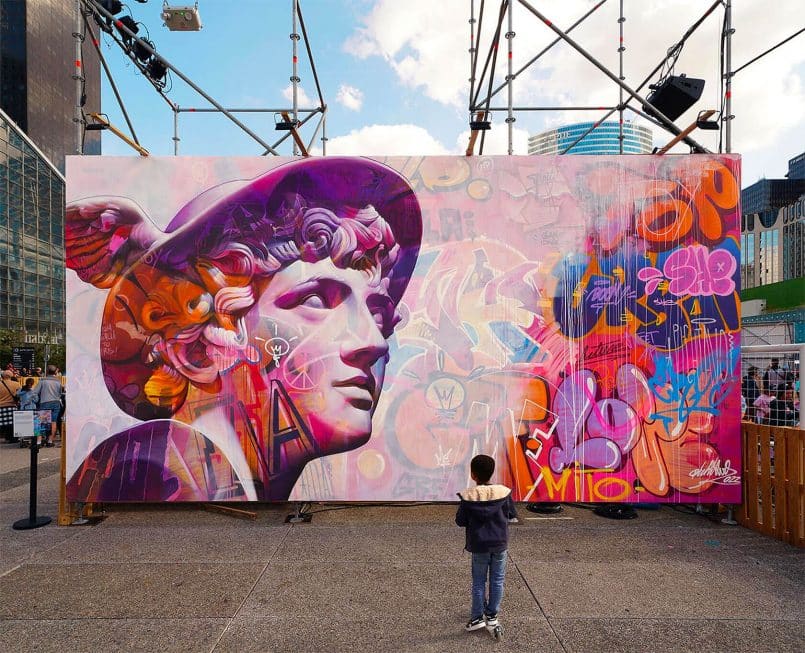
Urban art is often associated with rebellion, modernity, and contemporary visual language. Yet, across cities worldwide, a growing number of street artists are drawing inspiration from ancient sculptures, Renaissance paintings, and classical aesthetics. This dialogue between past and present has given rise to a fascinating phenomenon: classical art in urban art.
The Historical Roots of Classical Influence
Classical art, rooted in ancient Greece and Rome and later revived during the Renaissance, established foundational principles such as proportion, balance, anatomy, and narrative symbolism. For centuries, these works were confined to museums, churches, and academic institutions.
Street artists who reference classical imagery disrupt this traditional hierarchy. By relocating iconic figures from marble halls to brick walls, they democratize access to cultural heritage and reframe its relevance in modern society.
Institutions like the Encyclopaedia Britannica provide essential context for understanding classical artistic traditions.
Why Urban Artists Look to Classical Art
Timeless Visual Power
Classical imagery has endured for centuries because of its emotional depth and visual harmony. Artists borrow these qualities to create immediate impact in chaotic urban environments.
Contrast and Irony
Placing refined, idealized figures in decaying or industrial settings creates visual tension. This contrast invites viewers to reconsider notions of beauty, permanence, and cultural value.
Cultural Commentary
Referencing historical art allows urban artists to comment on modern issues such as consumerism, power, identity, and social inequality by juxtaposing ancient ideals with contemporary realities.

Common Classical References in Street Art
- Greek and Roman sculptures
- Renaissance portraits and frescoes
- Mythological figures
- Religious iconography
- Neoclassical compositions
These elements are often altered through distortion, modern accessories, graffiti tags, or digital aesthetics, creating a hybrid visual language.
Notable Artists Blending Classical and Urban Styles
PichiAvo
The Spanish duo PichiAvo is widely recognized for merging classical sculpture imagery with graffiti lettering. Their large-scale murals transform ancient statues into vibrant urban icons.
INTI
INTI incorporates symbolic figures inspired by classical composition, blending them with Latin American cultural narratives and contemporary political themes.
Vhils
Although known for sculptural wall carvings, Vhils’ work echoes classical relief techniques, connecting ancient craftsmanship with modern urban surfaces.
Techniques Used to Translate Classical Art to the Streets
Murals and Large-Scale Paintings
Murals allow artists to recreate the scale and drama of classical compositions while adapting them to architectural features.
Stencils and Paste-Ups
Stencils simplify complex classical forms, making them reproducible and adaptable. Paper-based installations often reinterpret famous statues or portraits.
Sculptural Interventions
Some artists create three-dimensional works inspired by classical sculpture, installing them temporarily in public space.

The Cultural Impact of Classical References in Urban Art
By bringing historical imagery into public space, urban artists challenge the exclusivity of traditional art institutions. Passersby encounter cultural heritage outside museums, often unexpectedly.
This approach fosters cultural literacy and curiosity, encouraging audiences to engage with art history in informal settings.
Educational institutions increasingly recognize this phenomenon as a bridge between academic art history and contemporary visual culture.
Public Reception and Critical Debate
Reactions to classical imagery in street art vary widely. Some critics praise its educational value and aesthetic sophistication, while others question whether historical references dilute street art’s rebellious roots.
However, this tension is precisely what gives the movement its relevance. It sparks dialogue about who owns culture and where art belongs.
Legal and Ethical Considerations
As with most street art, legality depends on permission and local regulations. When classical imagery is used, additional ethical questions arise regarding copyright, preservation, and cultural appropriation.
Most classical works are in the public domain, allowing free reinterpretation. This openness aligns with street art’s ethos of accessibility and shared culture.
How Cities Shape This Artistic Dialogue
Cities with strong historical identities often provide fertile ground for blending classical and contemporary aesthetics. Rome, Athens, Paris, and London frequently host works that directly converse with their architectural heritage.
Urban decay, modern infrastructure, and tourism all influence how these artworks are perceived and preserved.
The Future of Classical Art in Urban Art
As technology evolves, artists are experimenting with augmented reality, digital projections, and sustainable materials to reinterpret classical themes.
This evolution ensures that ancient visual languages remain relevant, adaptable, and accessible to new generations.
The fusion of tradition and modernity will continue to redefine how art functions in public space.
Classical art in urban art represents a powerful cultural dialogue between history and the present. By reimagining ancient forms on contemporary city walls, artists expand the boundaries of both traditions.
This fusion challenges elitism, invites public engagement, and reaffirms the timeless relevance of classical aesthetics.
In a world of rapid change, these works remind us that cultural heritage is not static — it evolves, adapts, and lives on through new voices and new streets.
Leave a Reply